
Juneteenth 2026 - A Bench by the Road
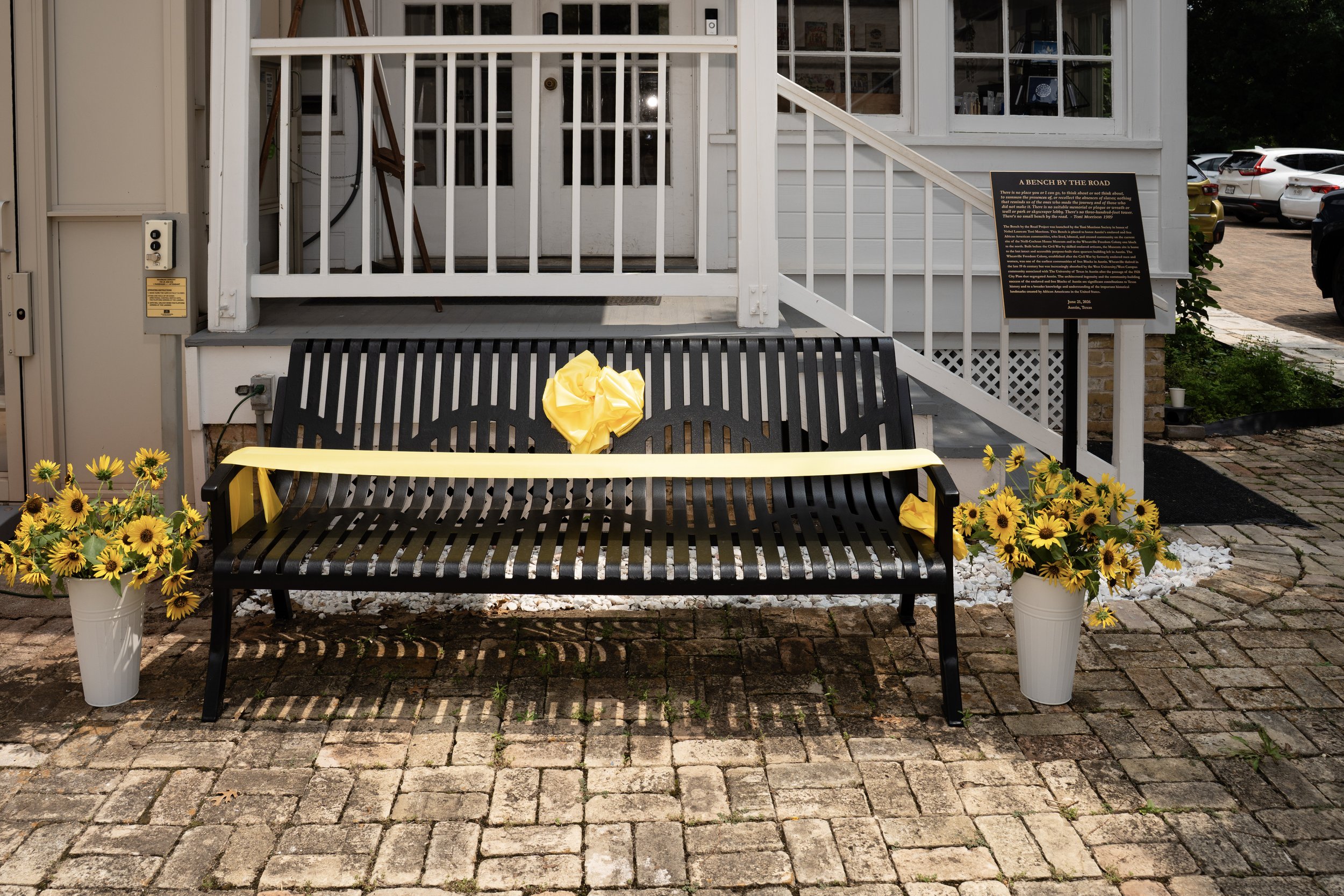
Photo Credit: Niles Davis
What does it mean to bear witness? The concept shifts whether it appears in a religious, a legal, or a psychological context but at heart it is about speaking truths and carrying those truths forward. Last month, the Neill-Cochran House Museum hosted our third annual Juneteenth Celebration, a glorious day for community with over 450 attendees, dedicated to bearing witness to and celebrating the achievements and resilience of generations of Austinites who overcame hardship to build not just our site but the city we call home today.
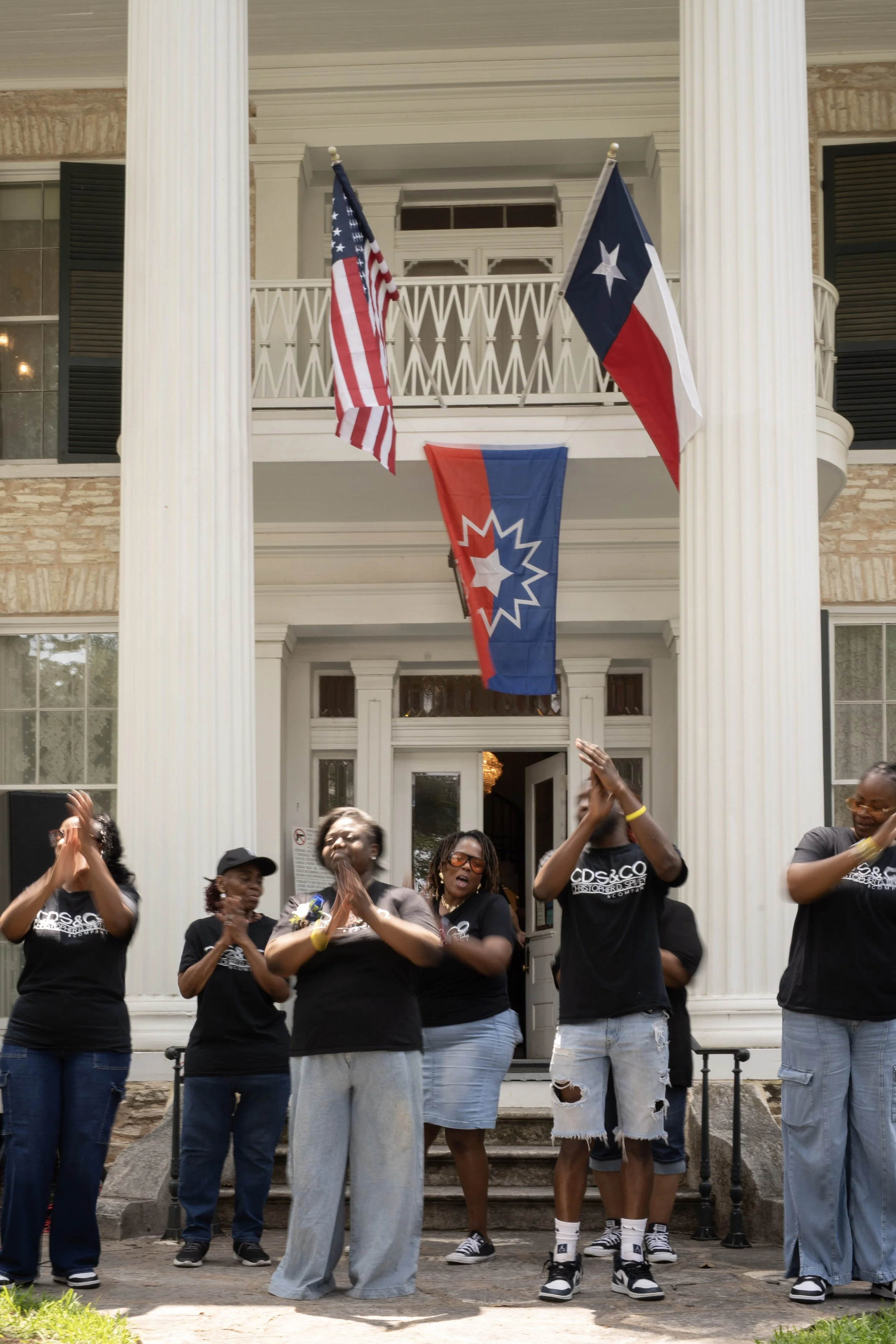
Christopher Spivey & Co. Gospel Choir performing in front of the main house. Photo Credit: Niles Davis.
Back in 1865, a British woman named Amelia Barr was living in Austin. On June 15, 1865, she wrote: “My negro servant comes home to eat, then she runs into the city again. I have all her work to do, but she is waiting for her freedom. I cannot blame her.” At the NCHM, we think about those words a lot. Not only did Mrs. Barr clearly know that the Civil War had ended – the unnamed woman she enslaved knew it too. And both women knew that freedom was coming, but until the federal army arrived in Austin, enslavement remained intact.
On June 21, 2026, we celebrated the eventual emancipation of this unnamed woman and every other enslaved Austinite. We honored the skill of the enslaved individuals who built the two remaining structures on our property and those who cooked, cleaned, cared for livestock, farmed, worked as blacksmiths, and executed every other task necessary to allow a suburban estate like ours to function through the end of the Civil War. And we honored the freedmen and women who worked at our site and who lived in the neighboring Freedom Colony of Wheatville in the decades after emancipation, forging lives and community in Austin that continue to reverberate through our city today.
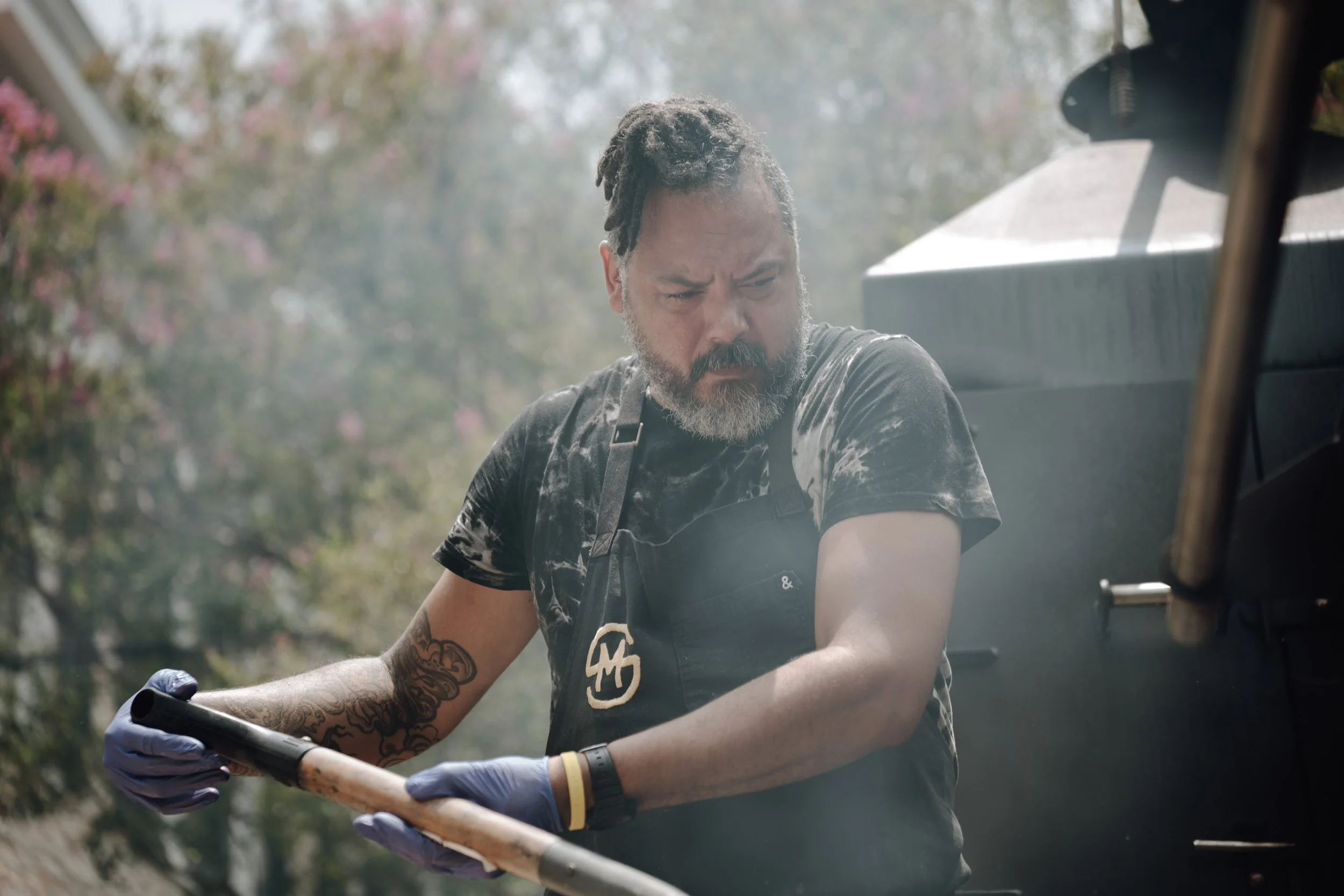
Chef Damien Brockway at the smoker. Photo Credit: Niles Davis
Over the course of the afternoon, we enjoyed BBQ from our friend Damien Brockway and his team at Distant Relatives. Damien’s cuisine is informed by Black foodways, and for this event he brought purple hull peas and rice, smoked pork and chicken, and a spicy pickled cucumber and tomato salad. Though they weren’t ours, the NCHM also grows purple hull peas to recognize their importance to enslaved Texans. We enjoyed music provided by the Jeremy George Quintet, with support from Huston-Tillotson students, and by the Christopher Spivey and Company gospel choir. We also provided guided tours of the Slave Quarters and self-guided tours and scavenger hunts through the main house. Inside, visitors also found the Jack White Retrospecitve, our summer visual arts exhibition. Jack White was a Black American artist who worked for over six decades as a sculptor and a mixed media artist and who embedded African heritage and social and cultural activism throughout his body of work.
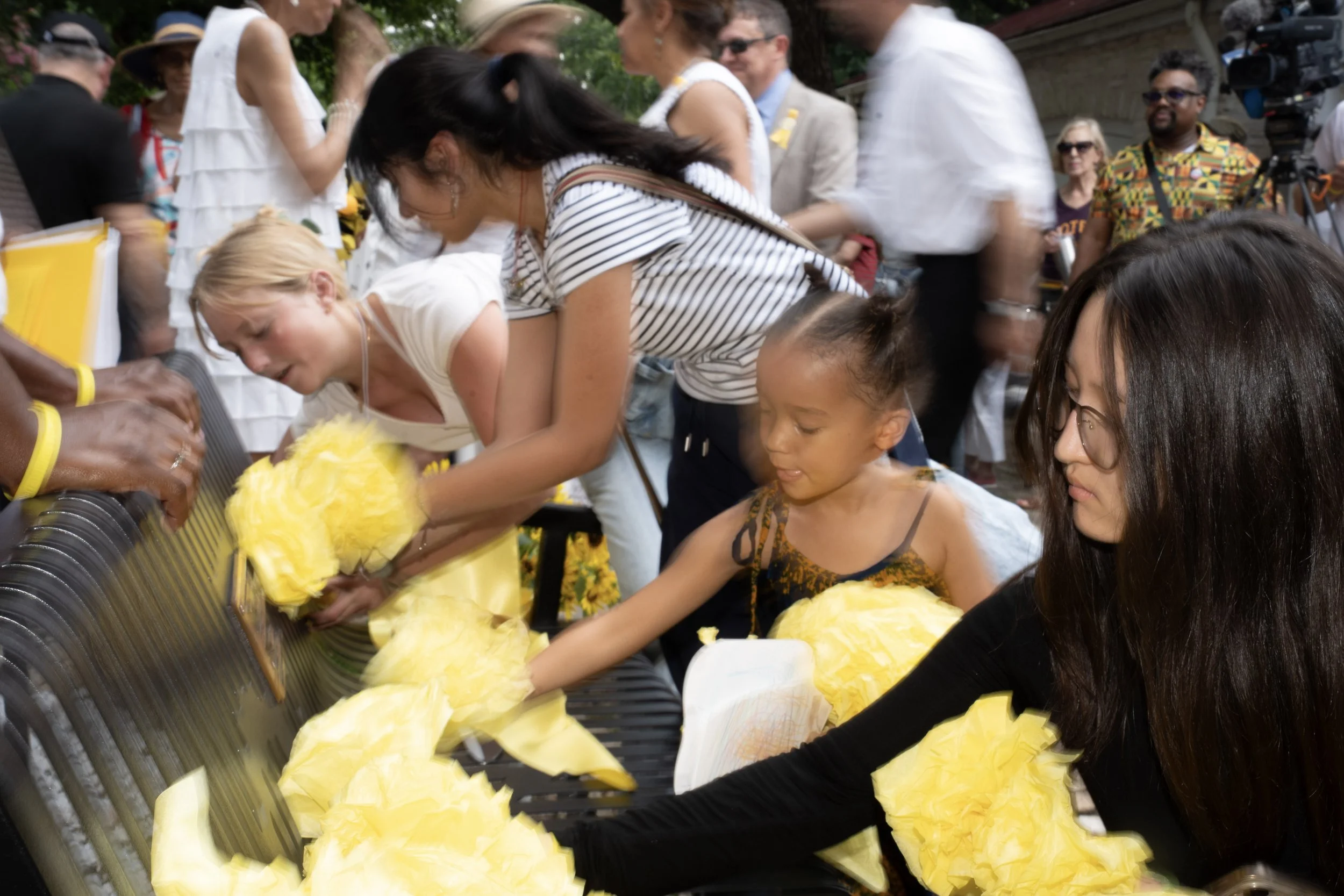
Flowering the bench at the end of the dedication. Photo credit: Niles Davis
We culminated the afternoon by dedicating the 36th Toni Morrison Society Bench by the Road, placed to look towards both the Slave Quarters and north towards what remains of the once-vibrant Wheatville Freedom Colony. Through this project, the NCHM joins a network of sites in the United States and abroad connected to the long history of the transatlantic slave trade and African diaspora. Benches have been placed not just in the American South but in places like Rhode Island, Michigan, Massachusetts, Pennsylvania, and Colorado. By joining this important network, the NCHM becomes one more thread in understanding the sweep of American history and the impact the imprint of enslavement across the United States from the sixteenth century onward has had on us all.*
In 1989, Toni Morrison was asked by a journalist why she wrote her Pulitzer Prize-winning novel Beloved. She answered:
There is no place you and I can go, to think about or not think about, to summon the presences of, or recollect the absences of slaves; nothing that reminds us of the ones who made the journey and of those who did not make it. There is no suitable memorial or plaque or wreath or wall or park or skyscraper lobby. There’s no three-hundred-foot tower. There’s no small bench by the road.
During the dedication ceremony, we called out the names we know of the enslaved and free who worked at our site over its history and acknowledged the presence of those whose names we may never know. We blessed the bench and dedicated it in their memories and as a community we sang Lift Every Voice and Sing.
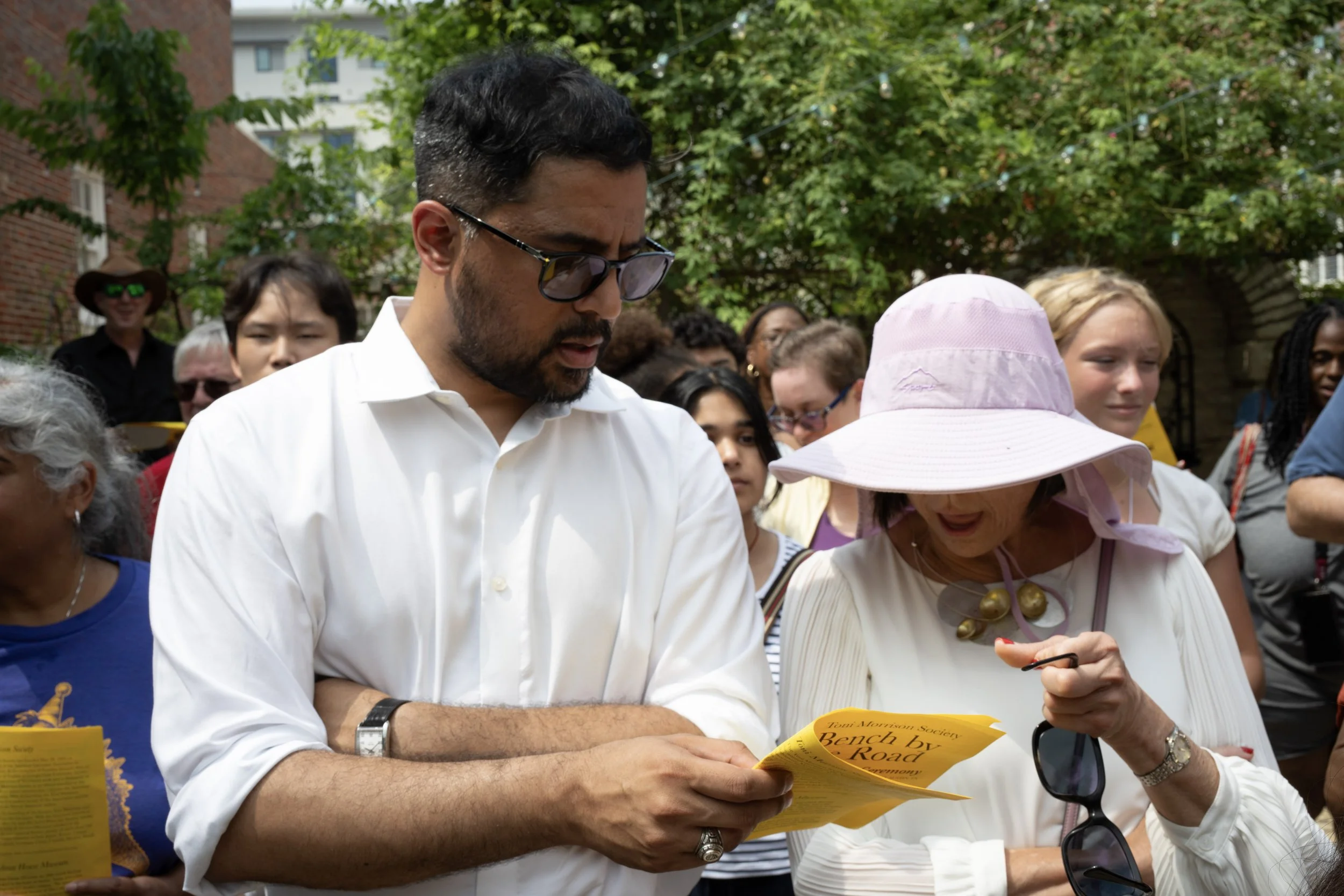
Lift Every Voice and Sing. Photo Credit: Niles Davis
Finally, together, we recalled Ms. Morrison’s words, but transformed, for “There is [now] a place where you and I can go to think about, to summon the presences of or recollect the absences of the enslaved. There is [now something] that reminds us of the ones who made the journey and of those that did not make it. [There is now something that honors the lives, the labor, and the created community of those who were enslaved.] There is [now] a suitable memorial…. There is [now] a Bench by the Road.]”
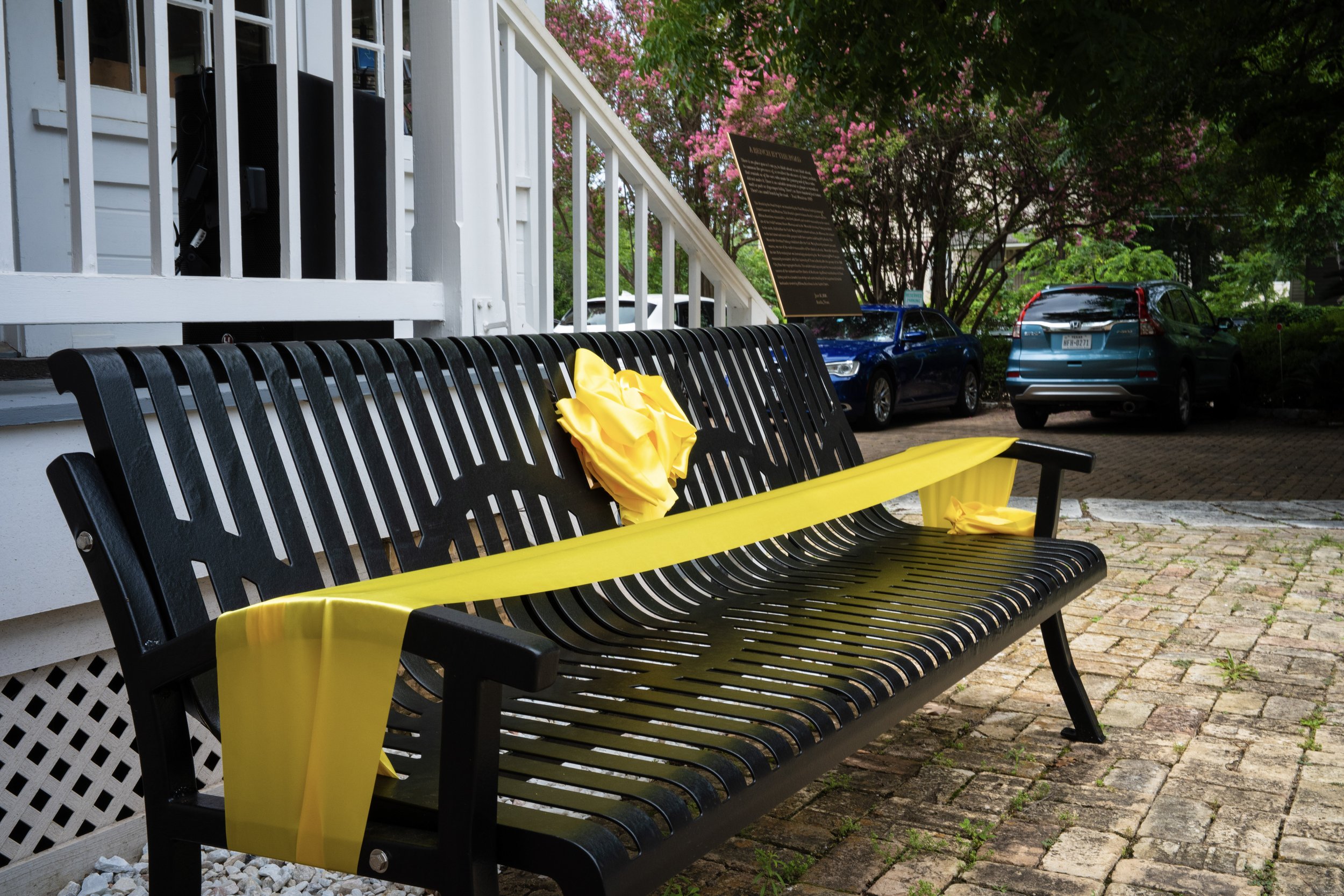
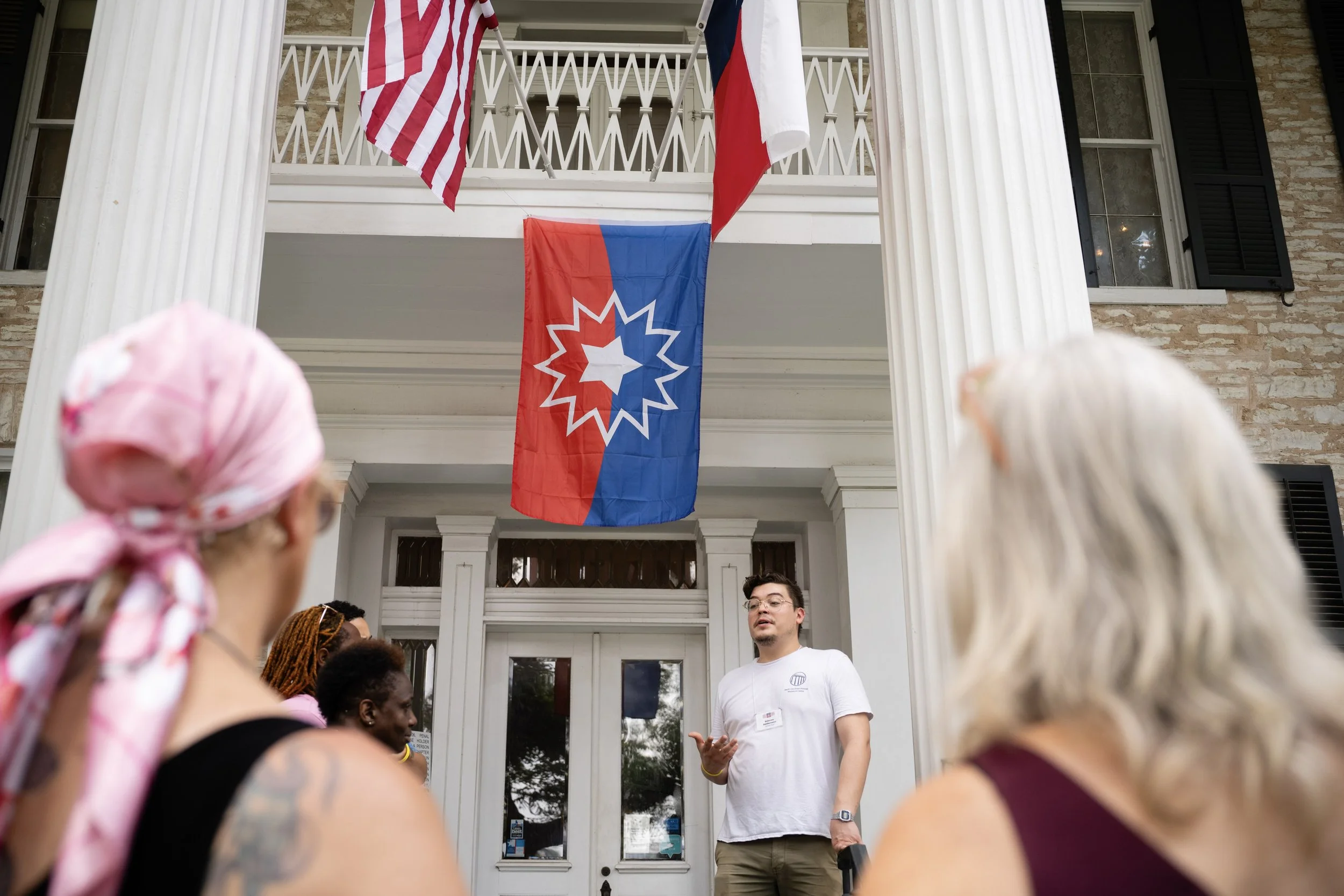
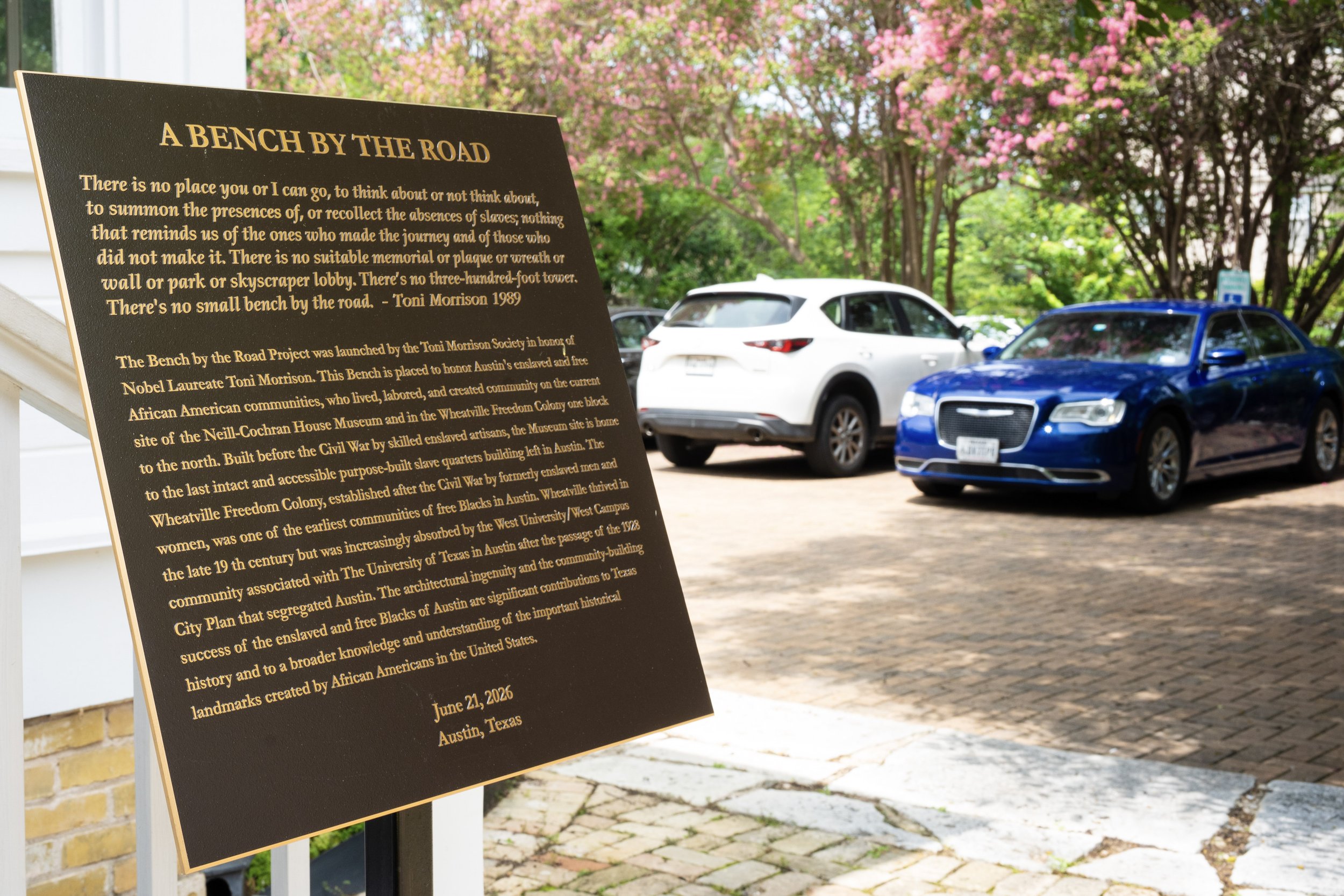
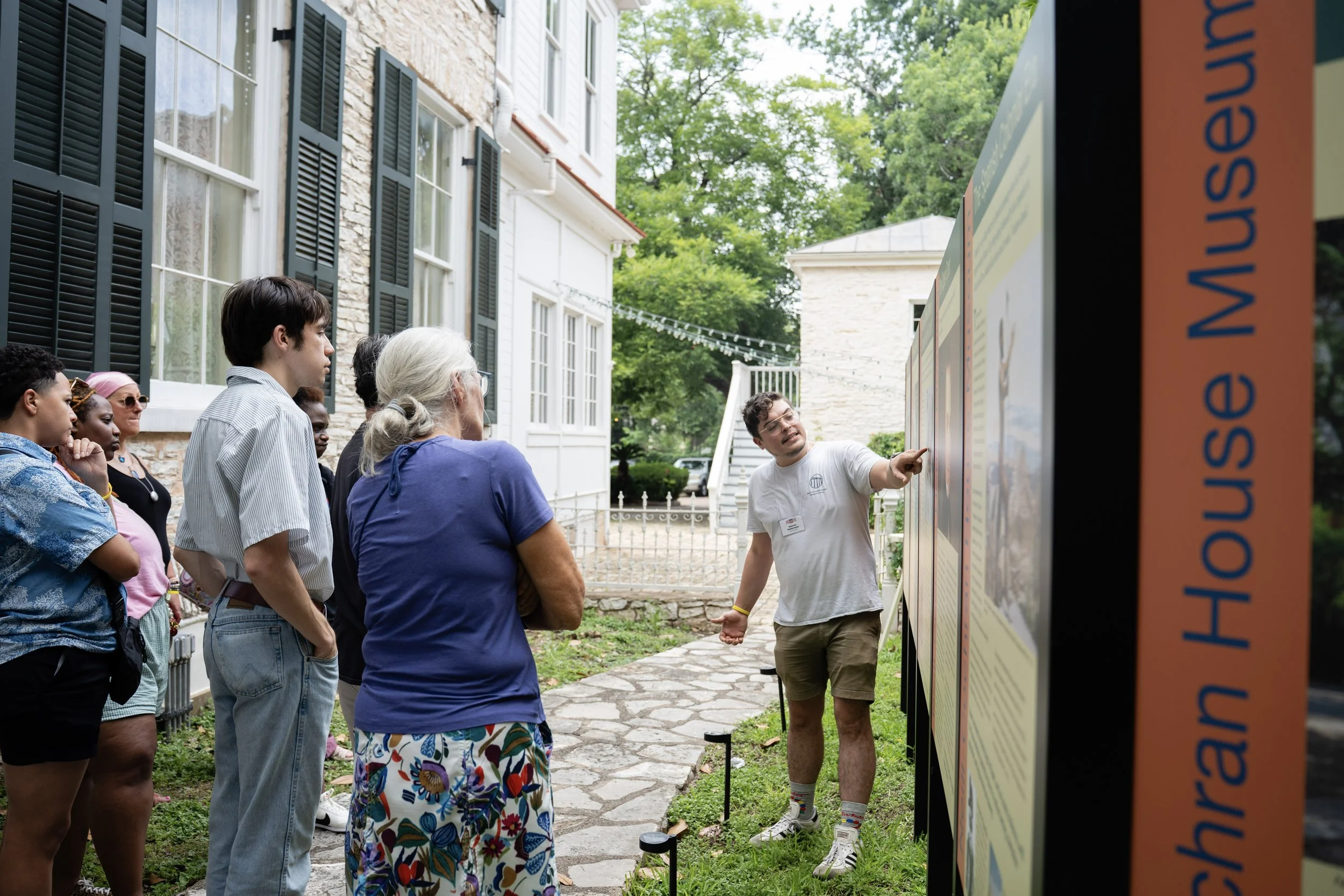
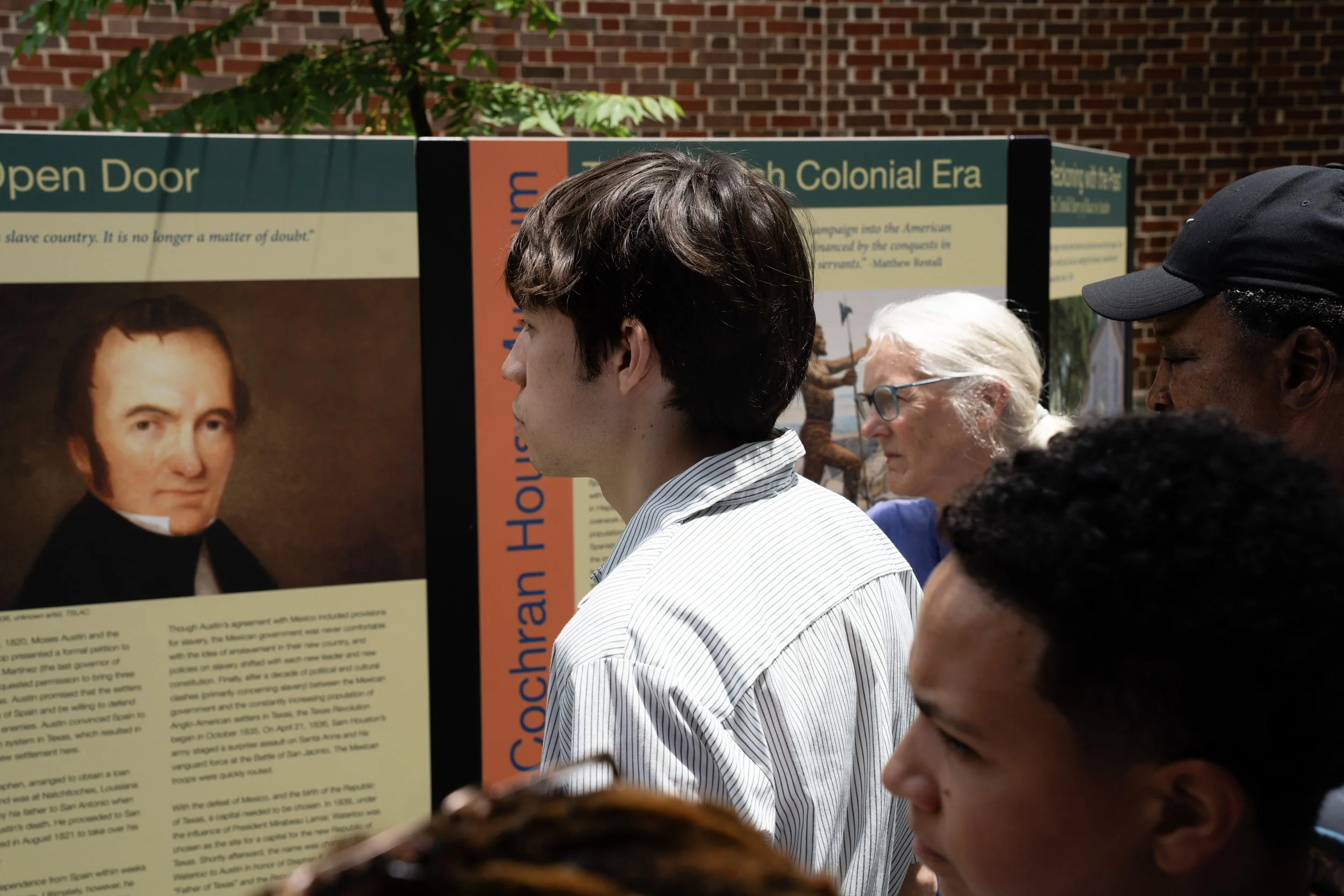
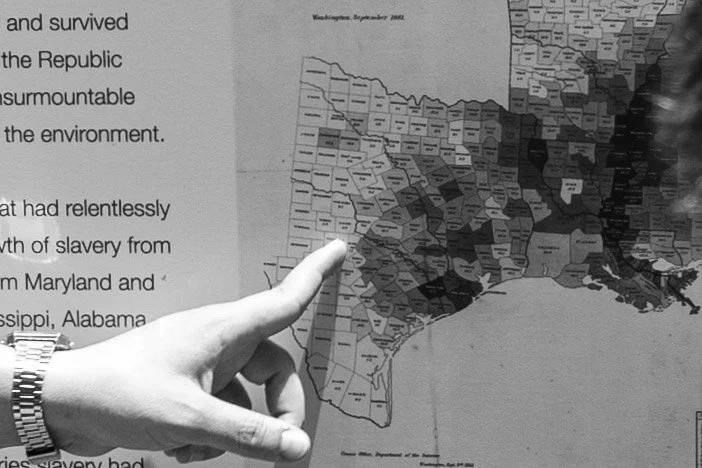
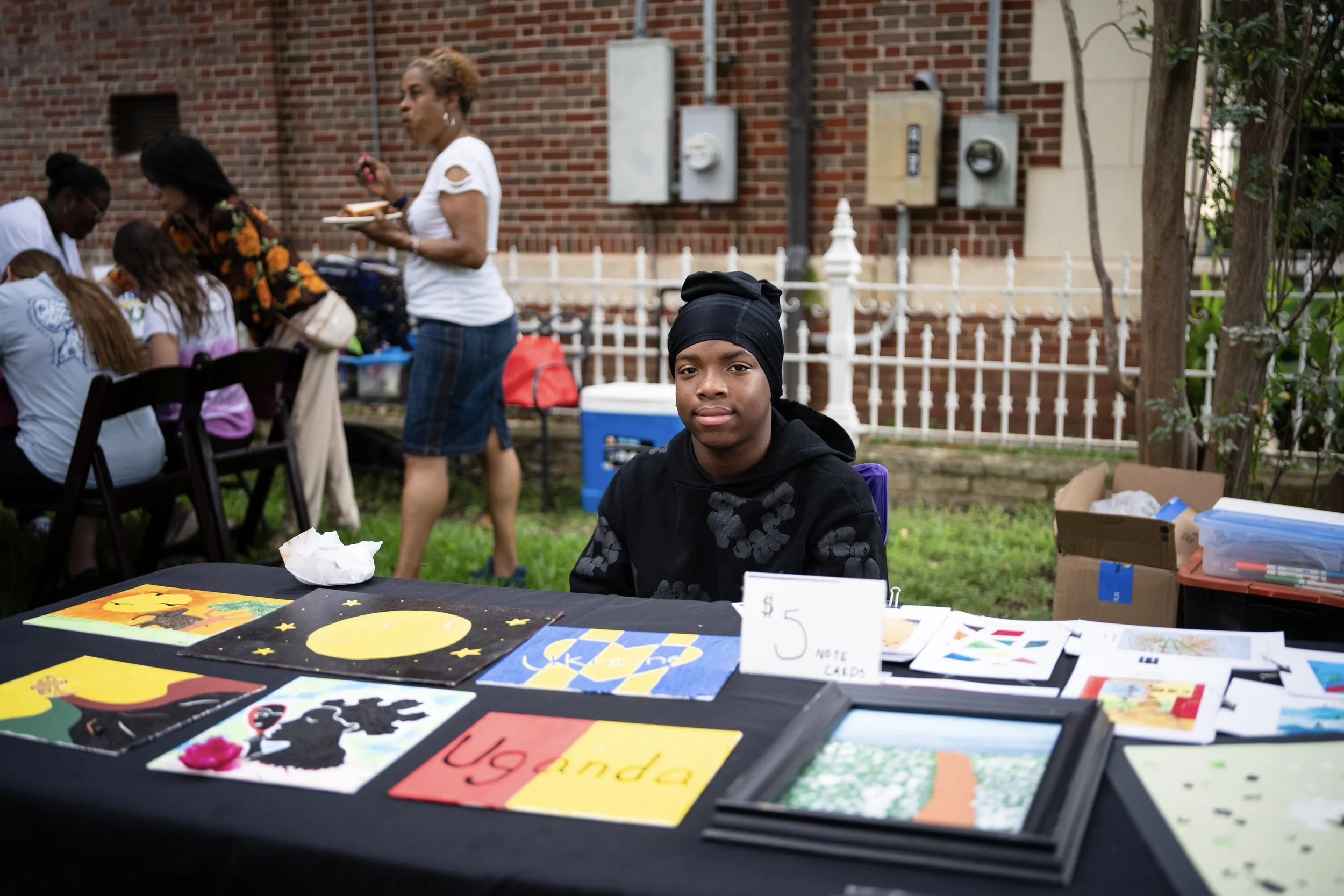
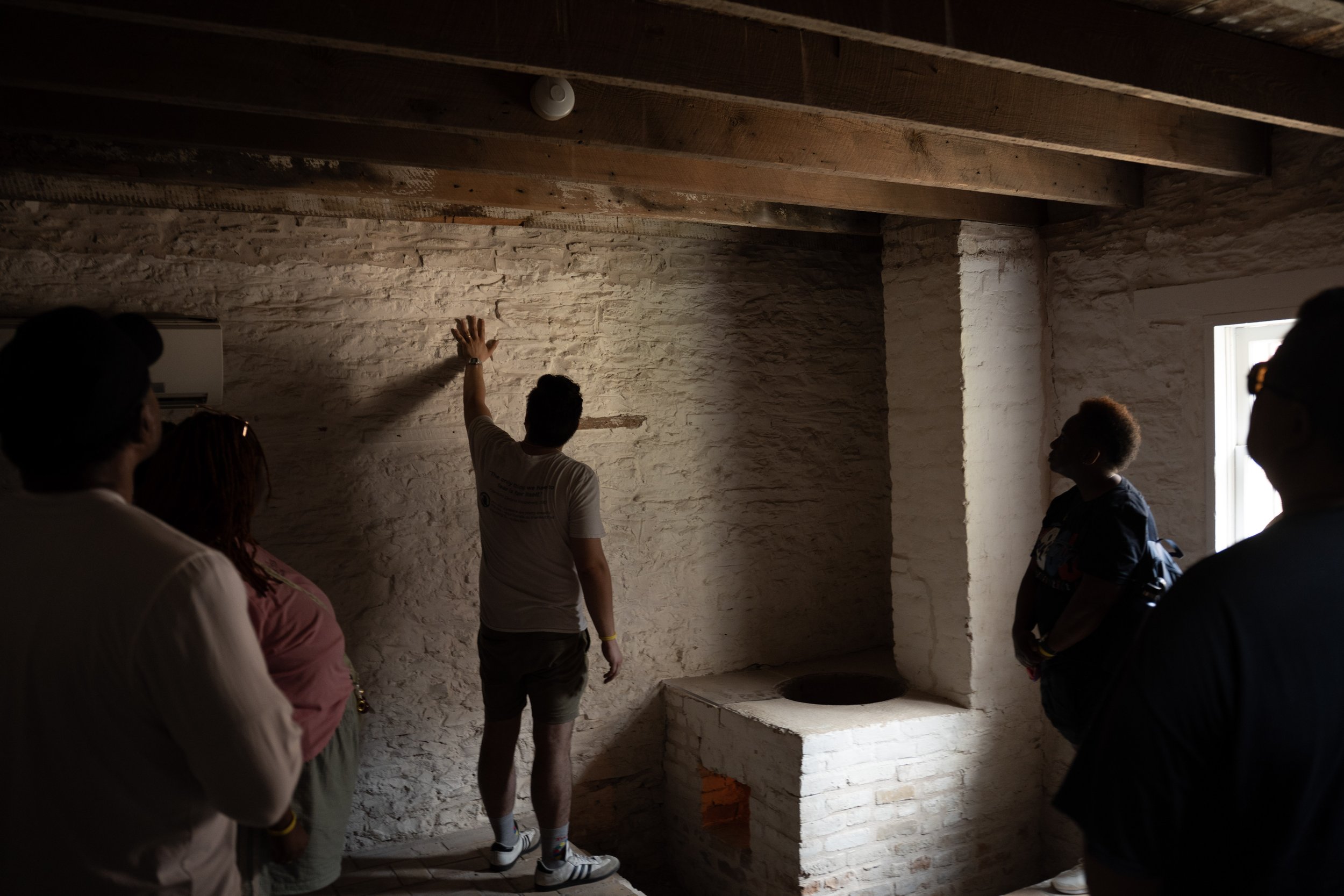
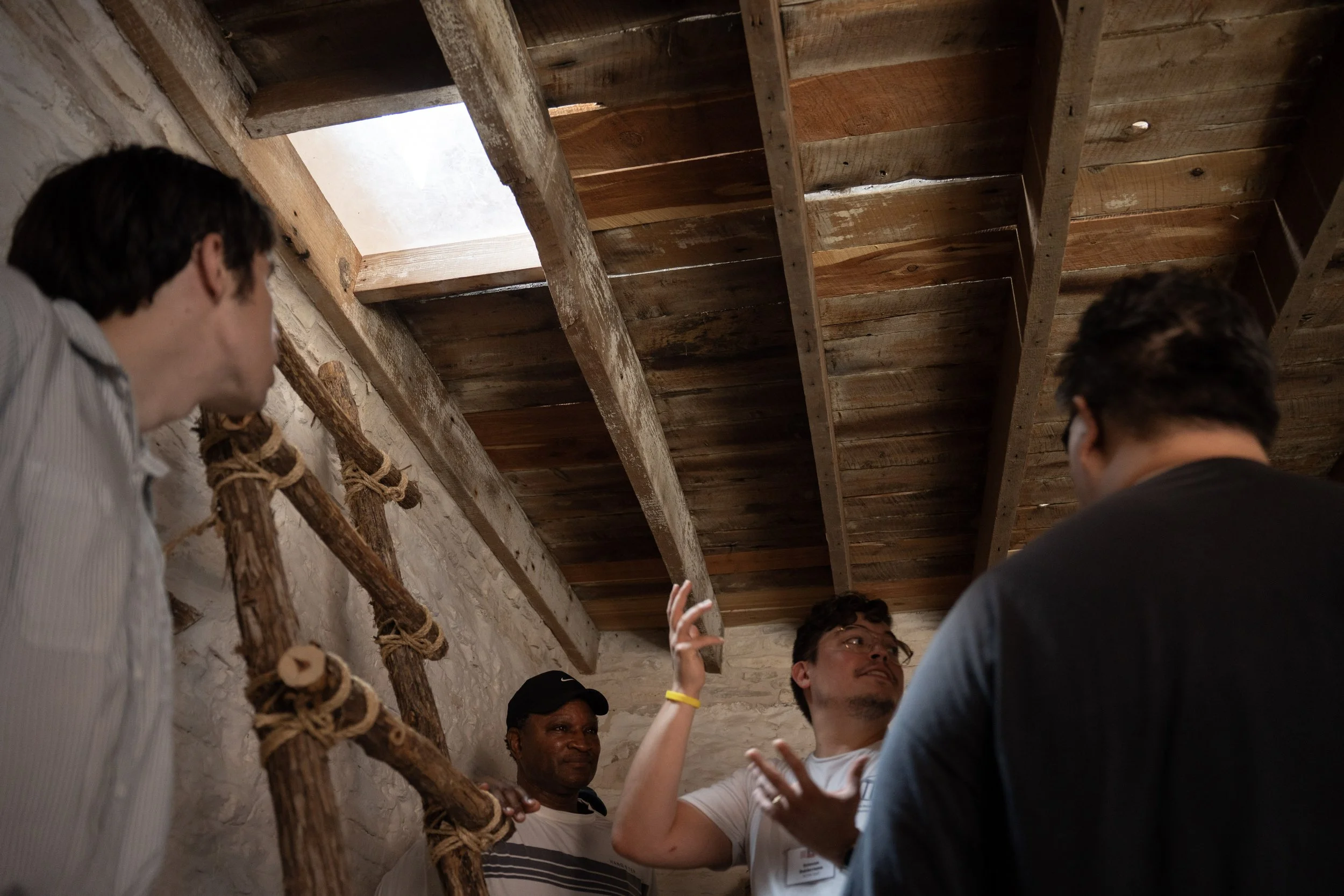
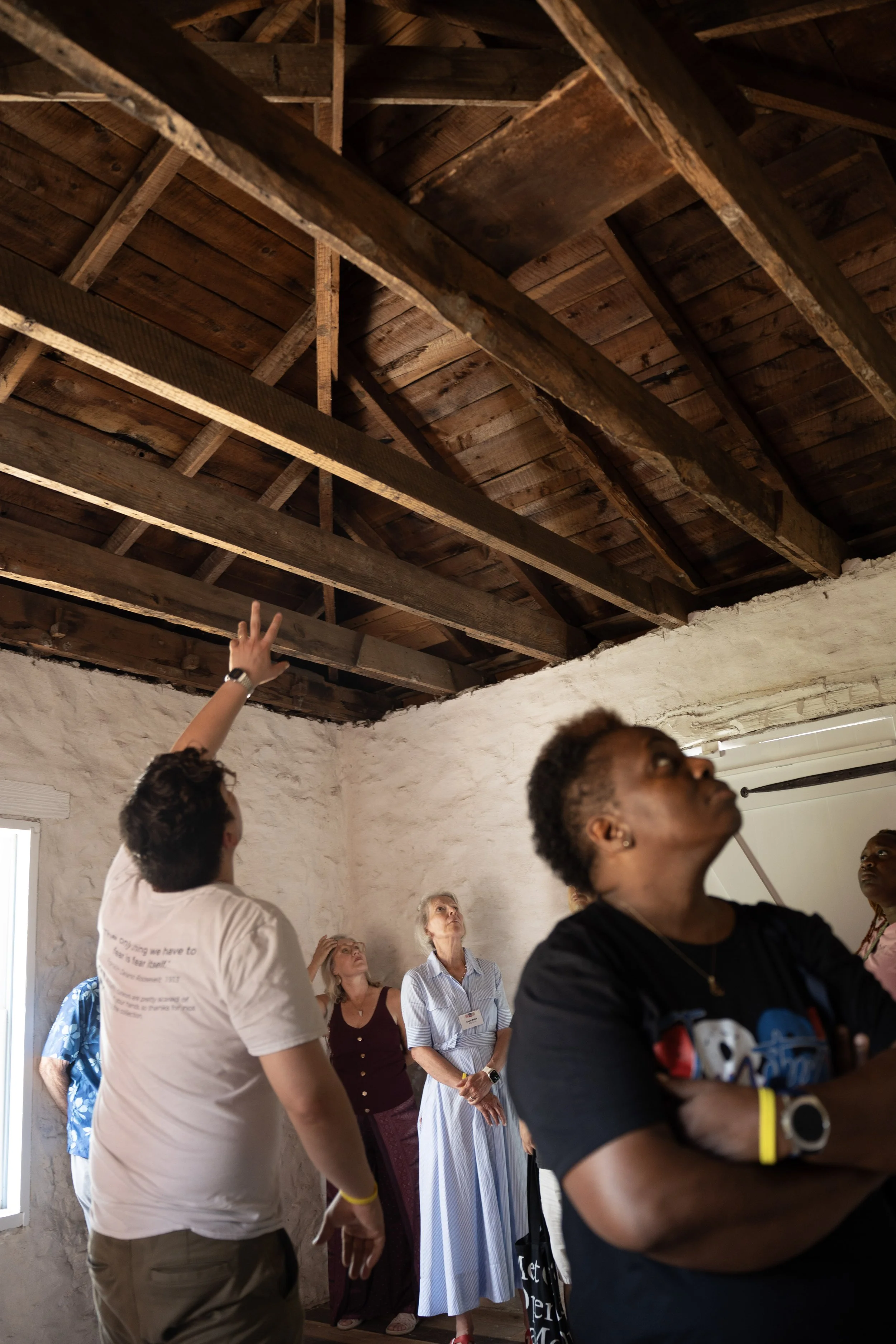
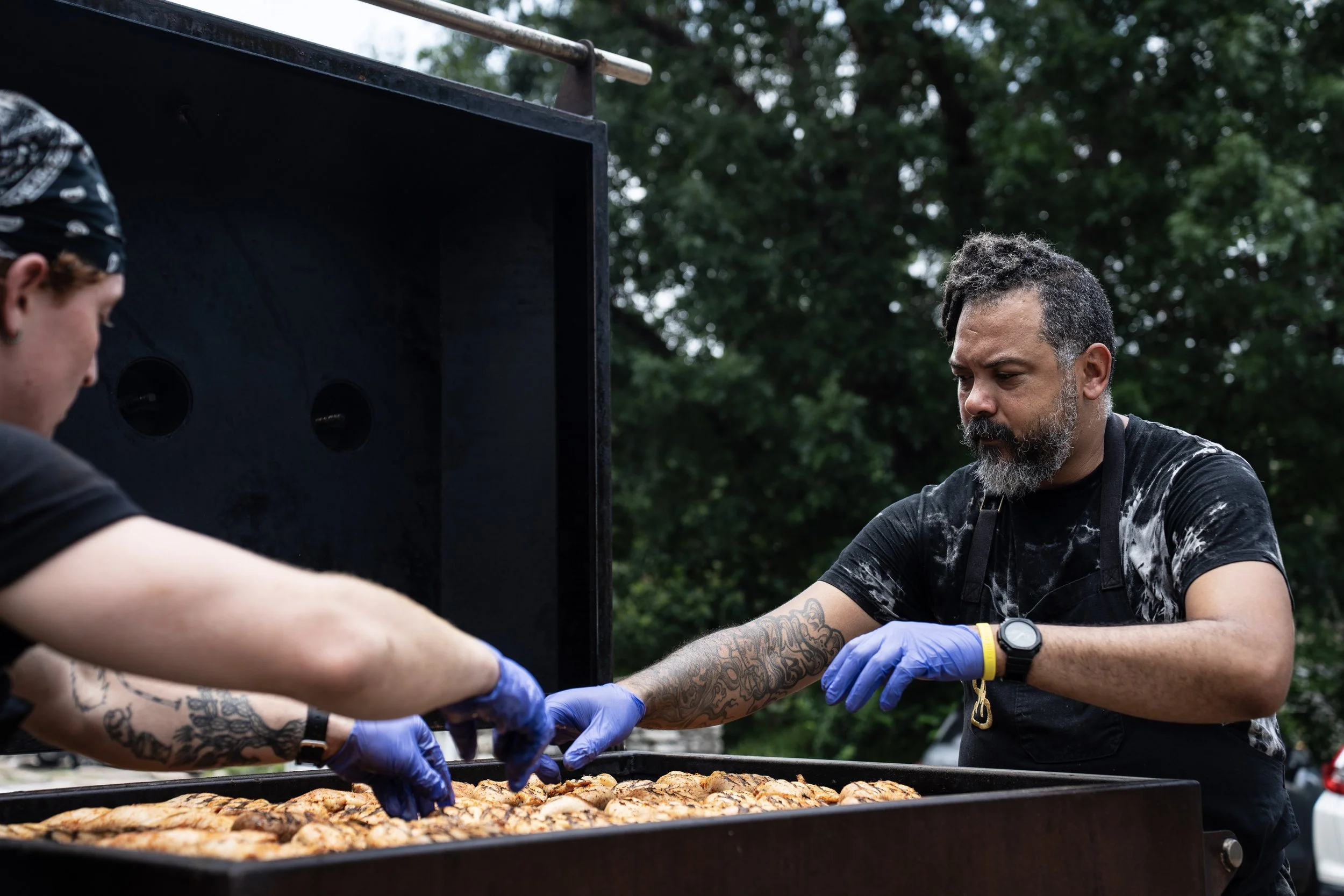
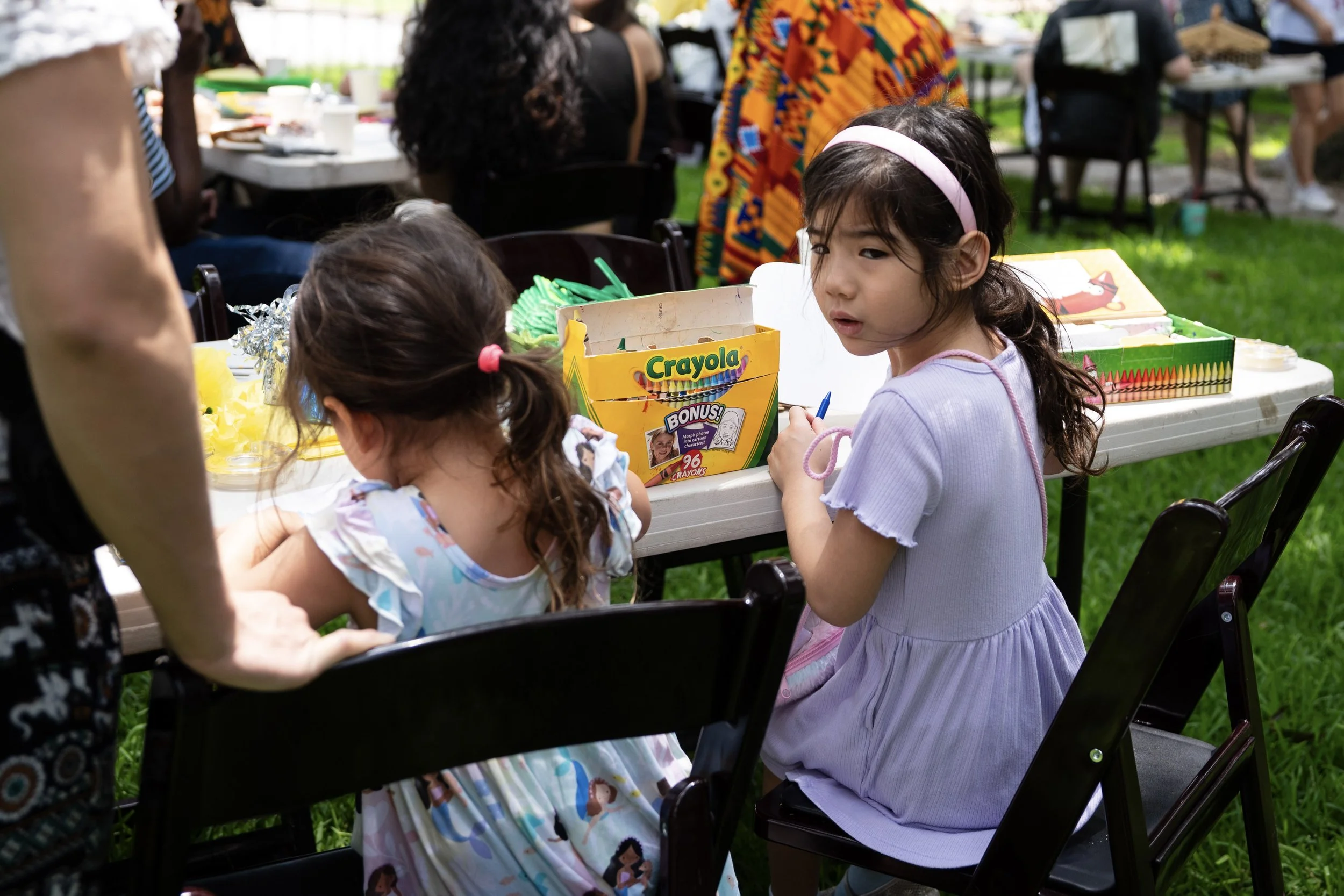
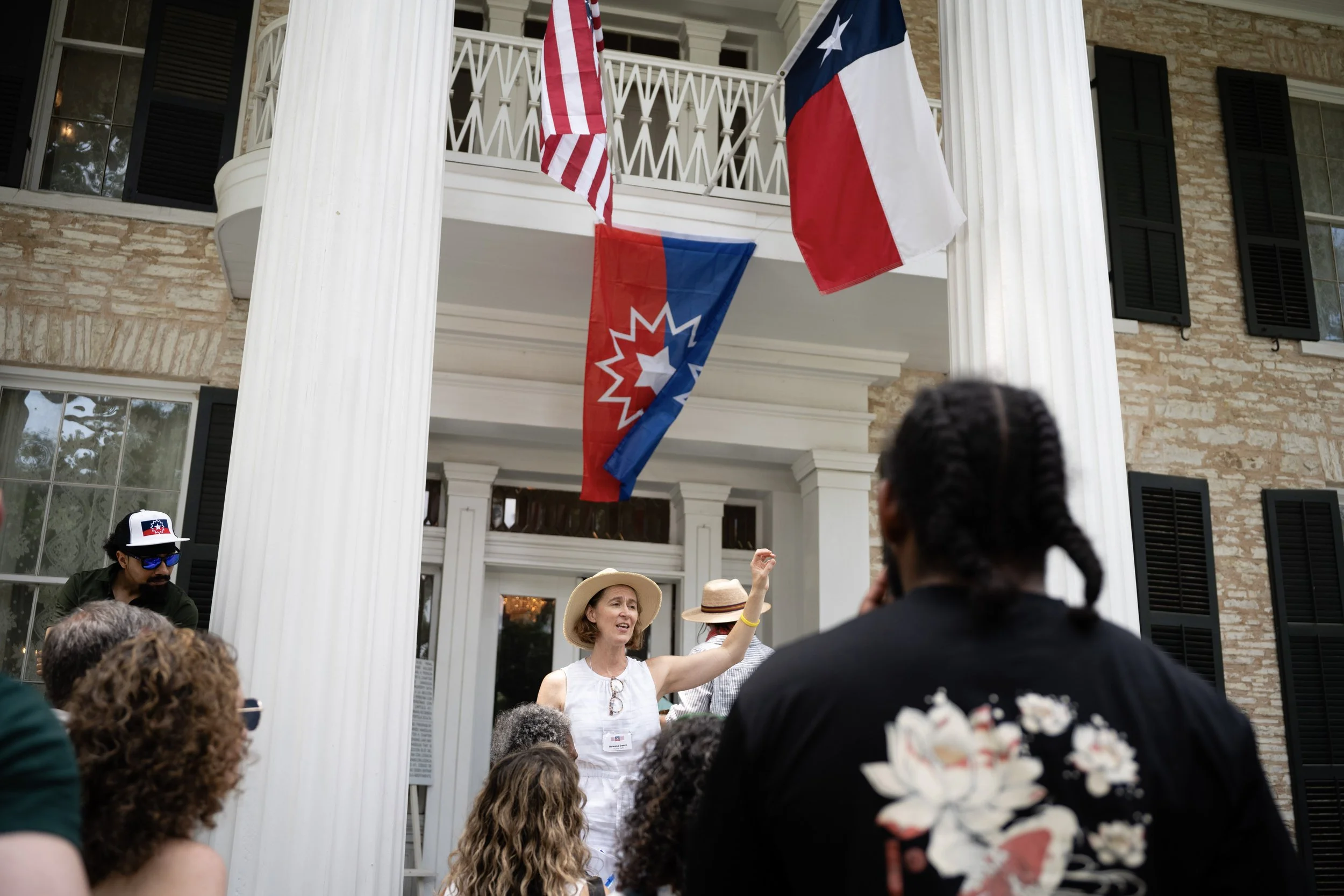
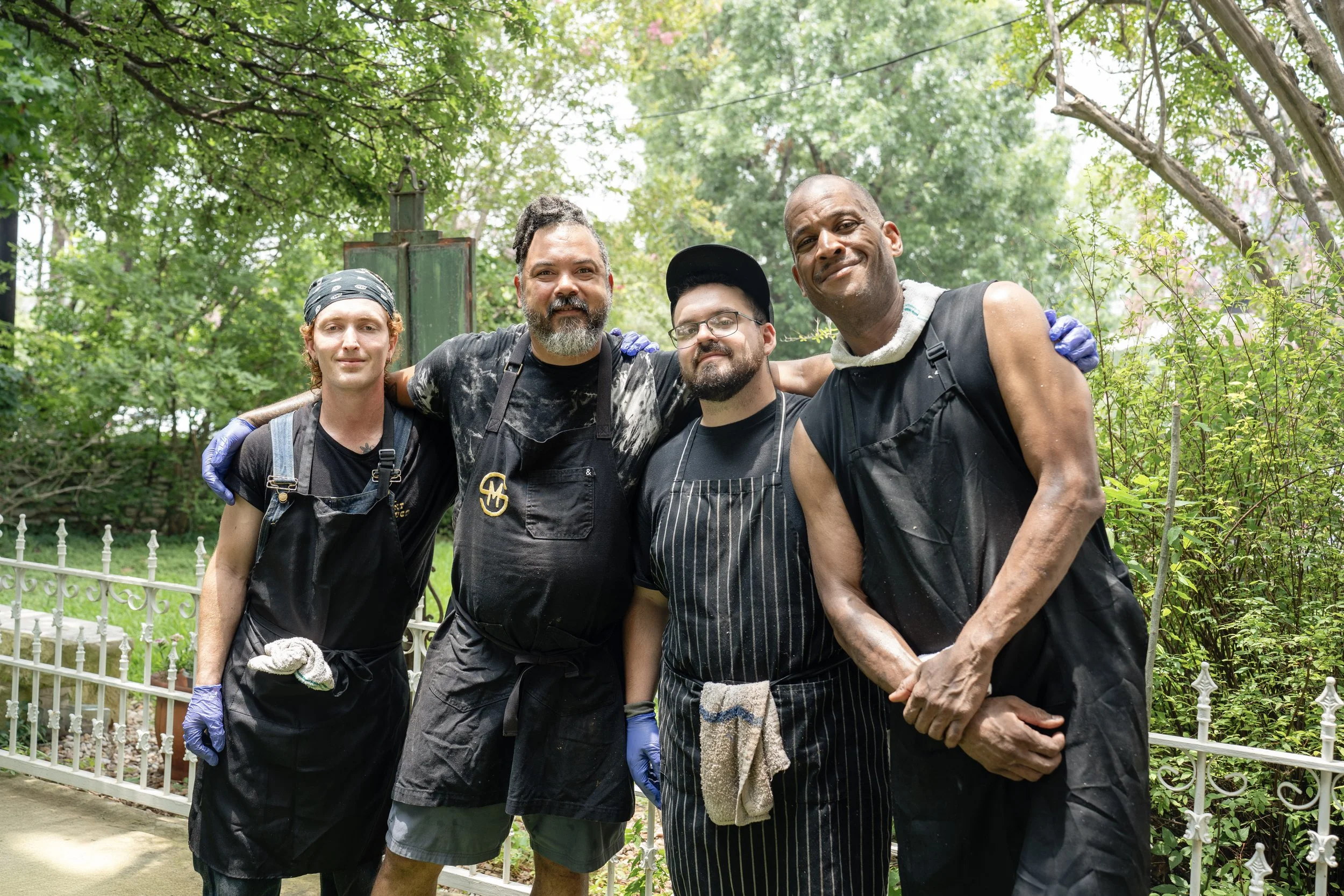
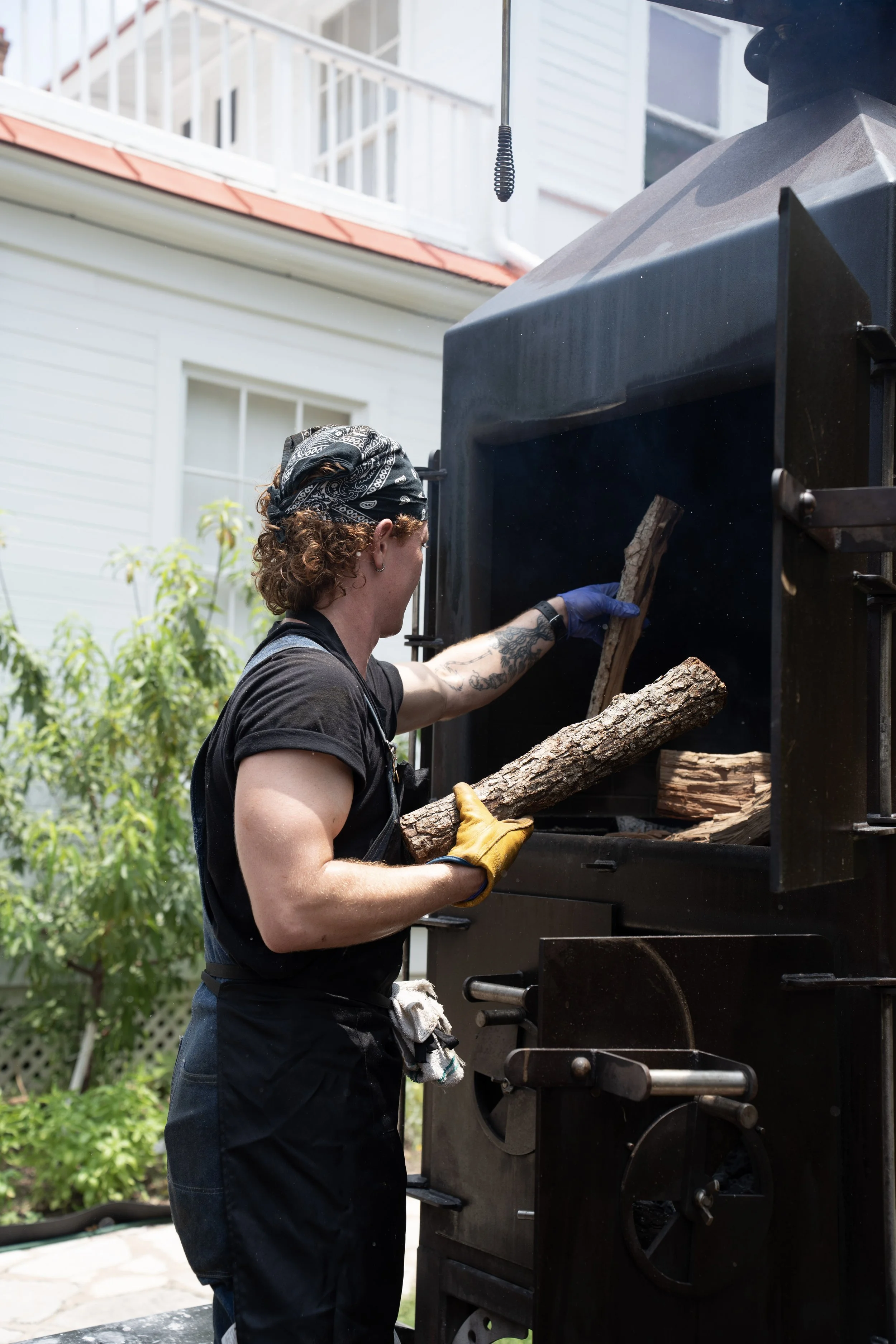
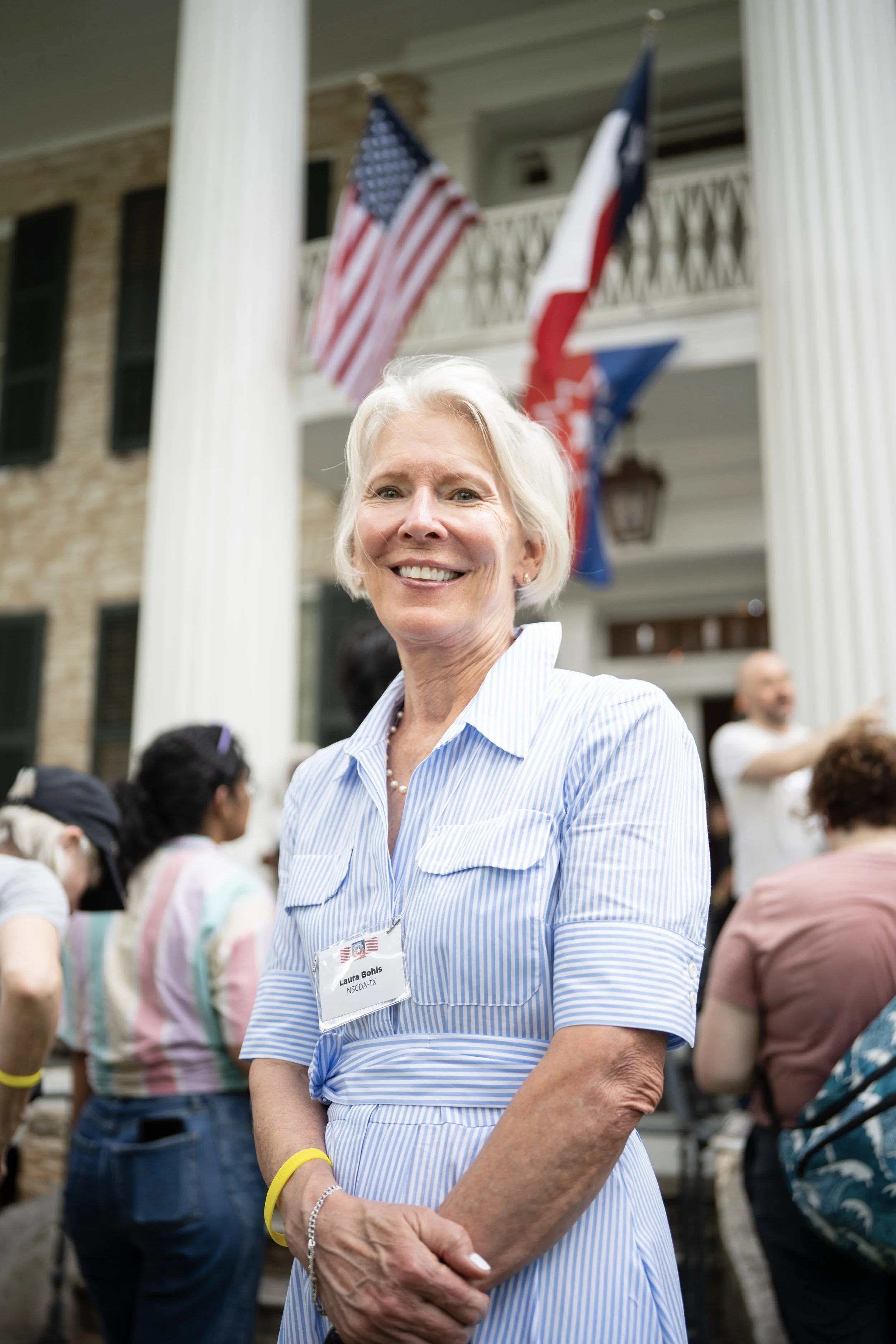
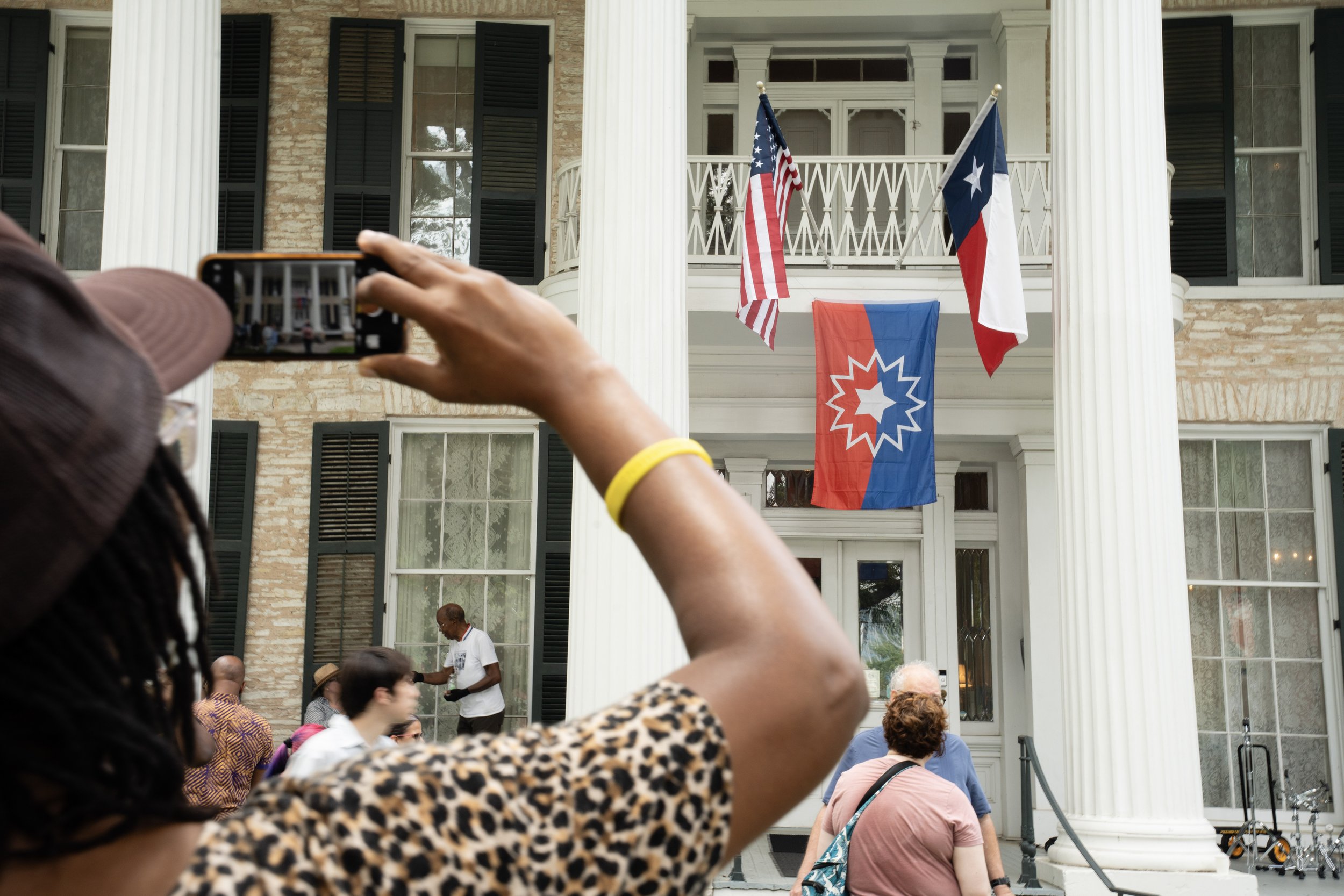
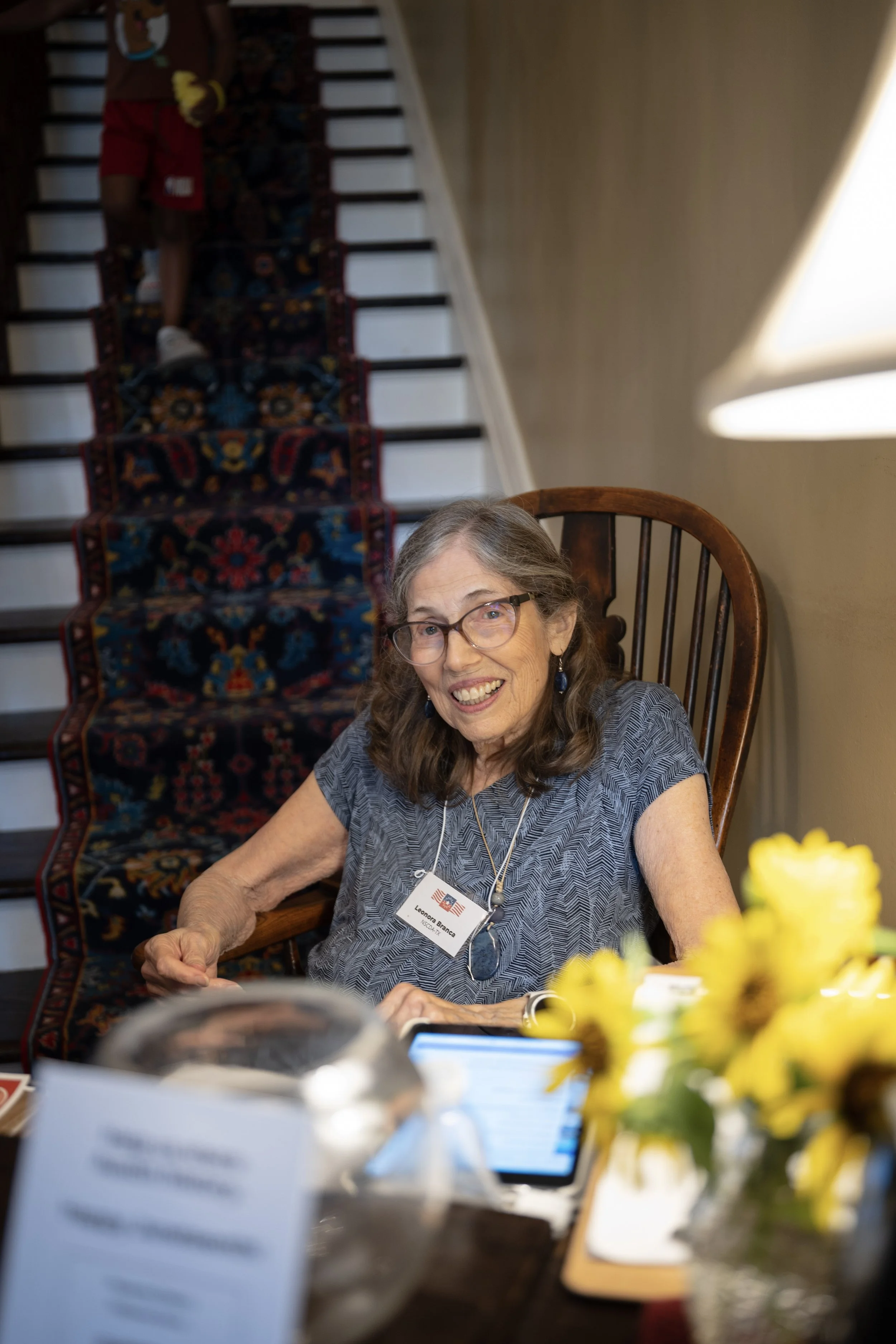
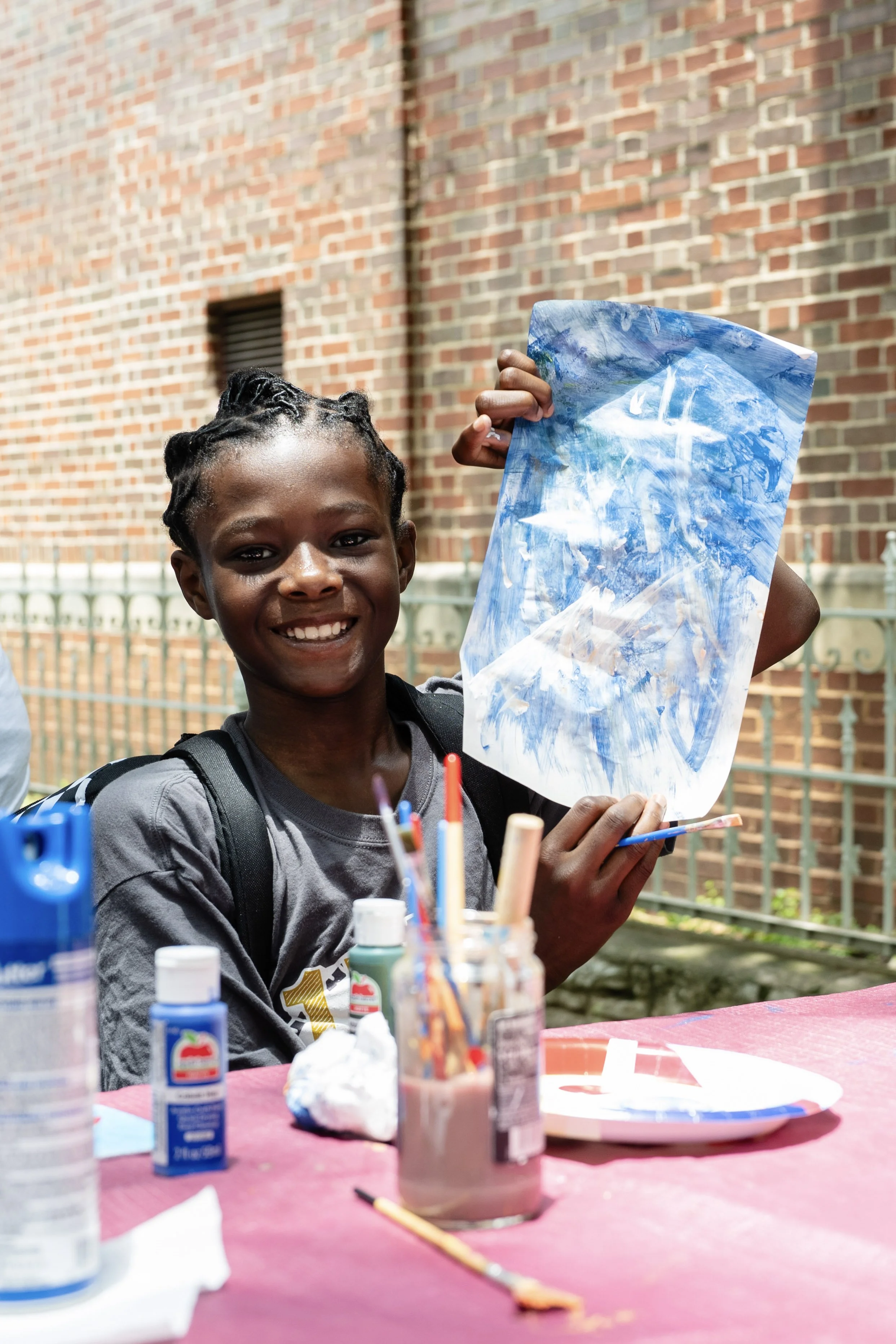
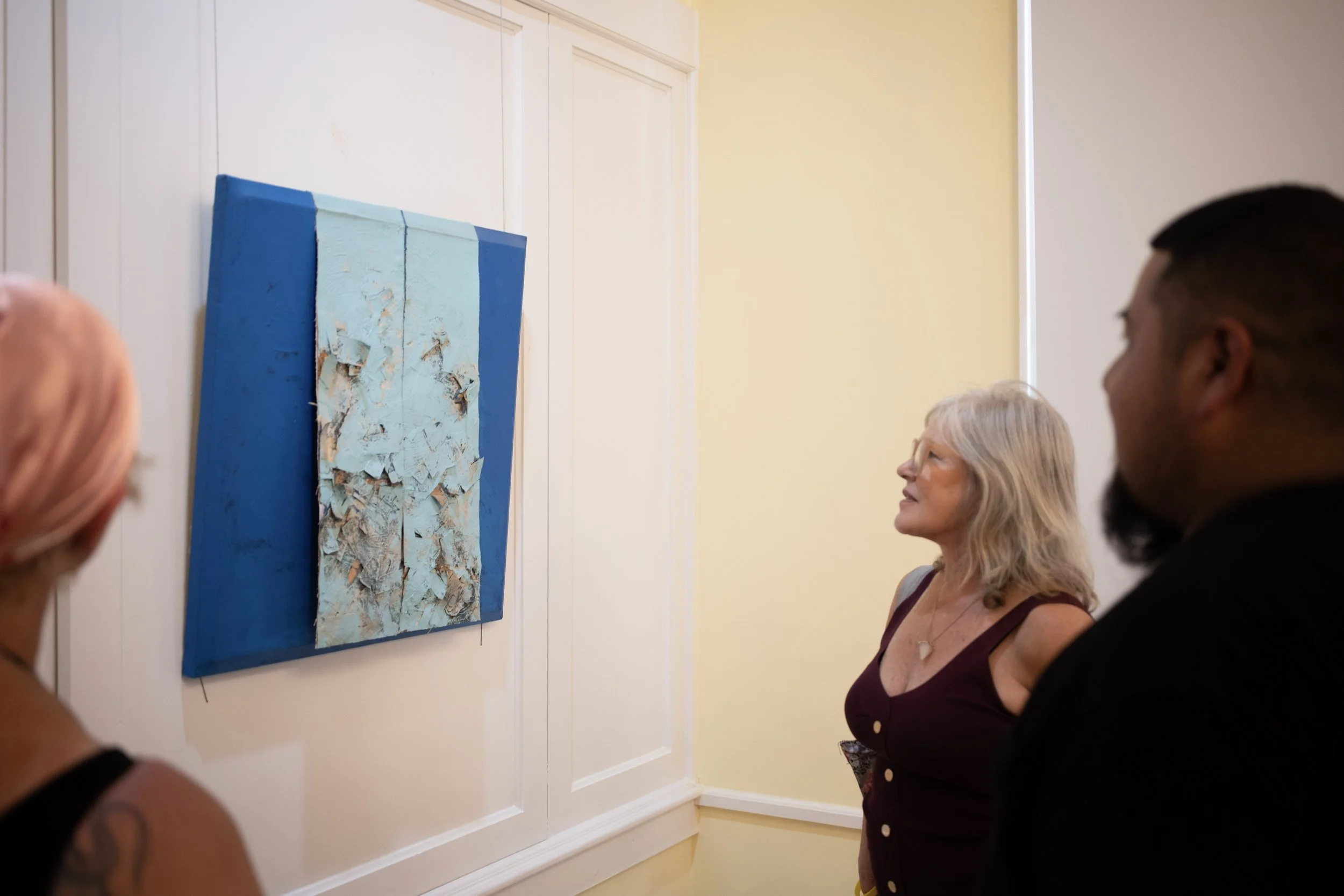
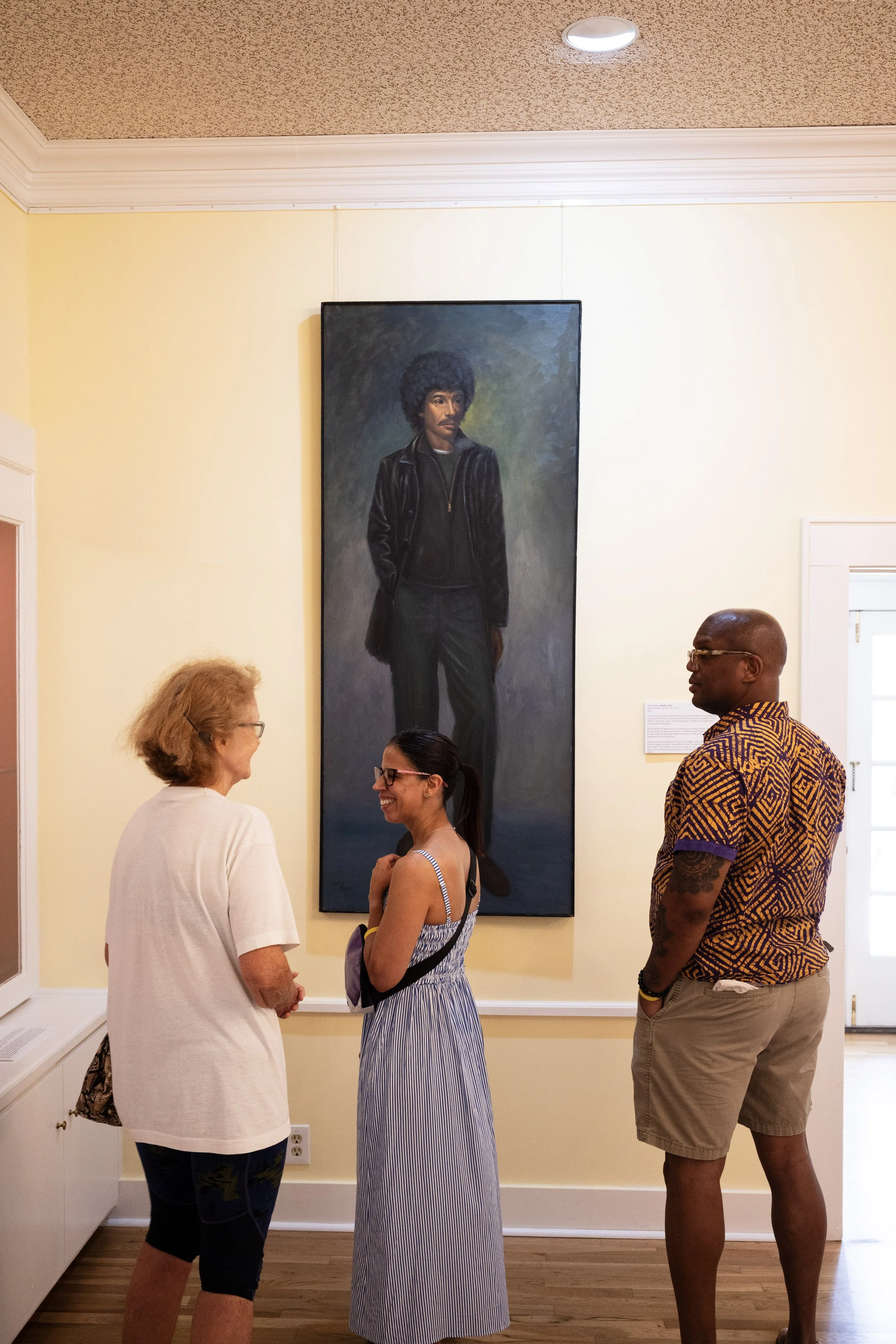
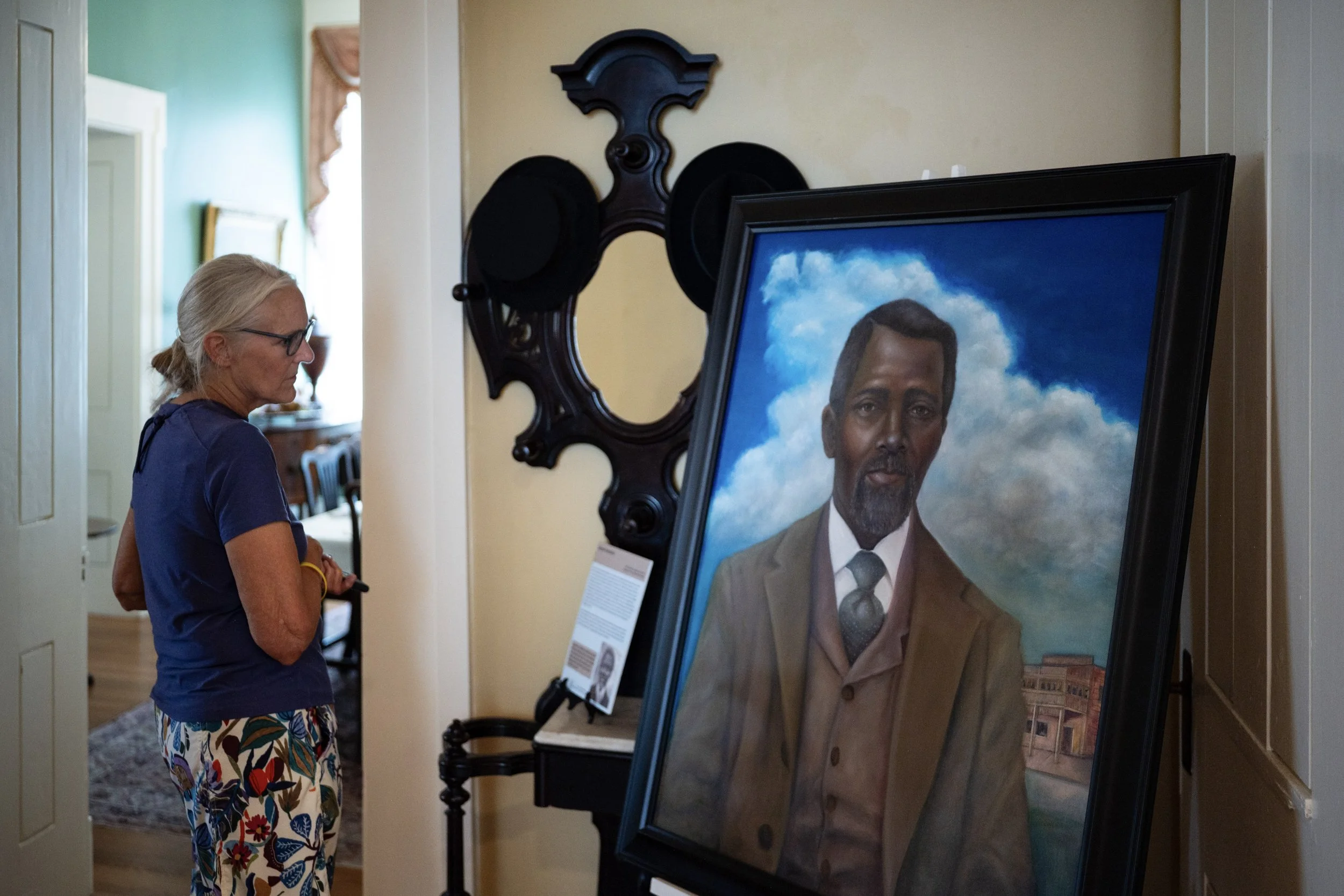
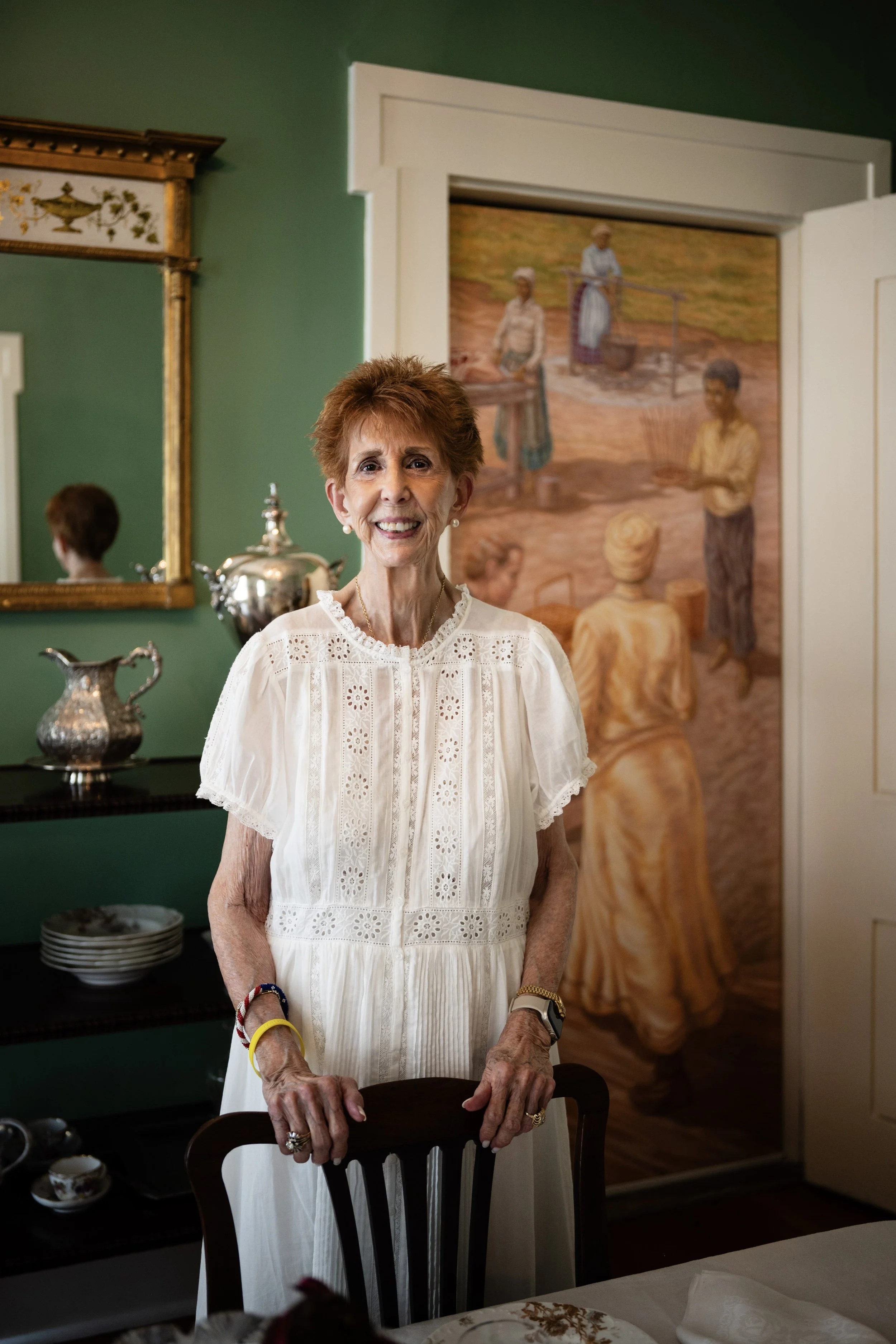
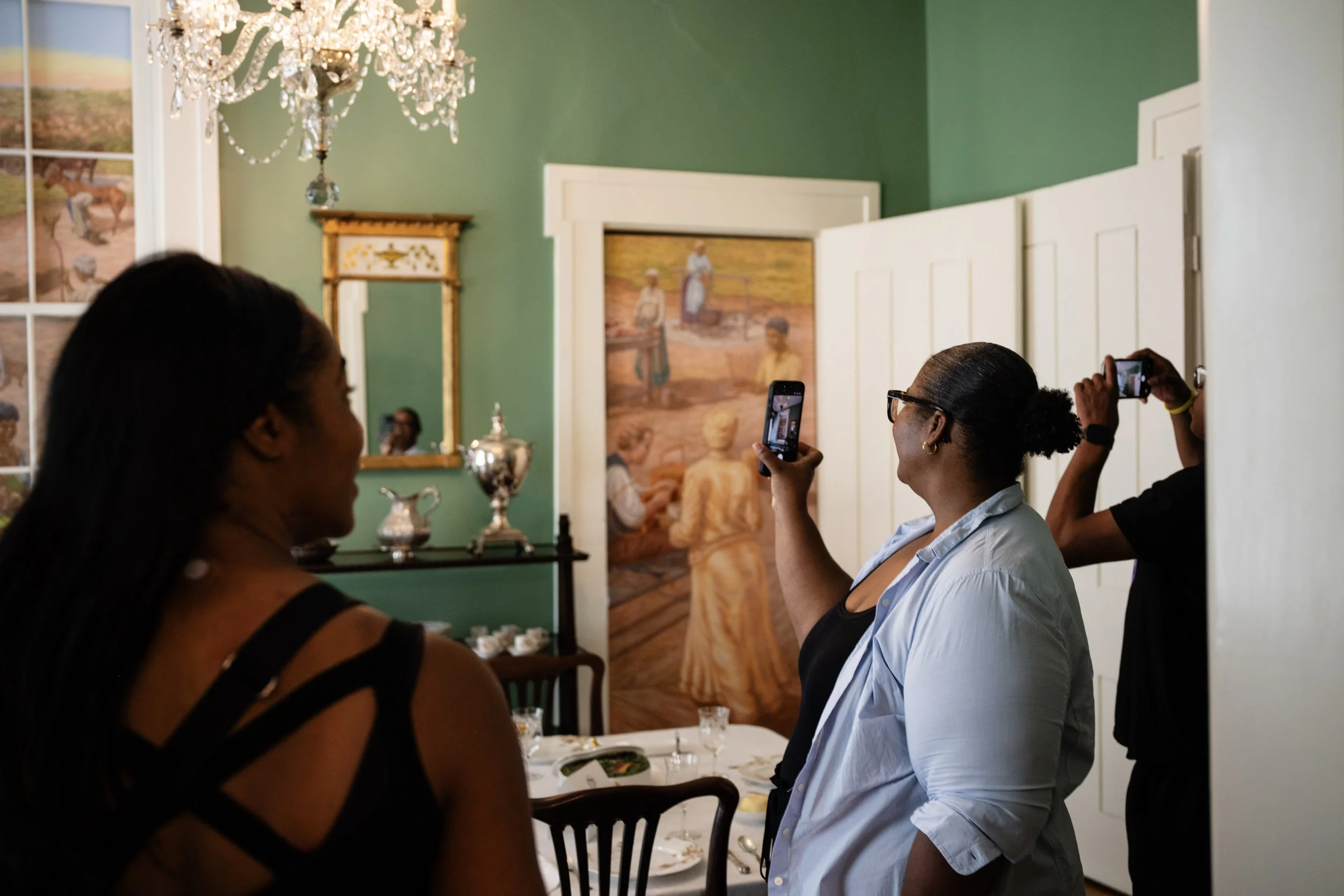
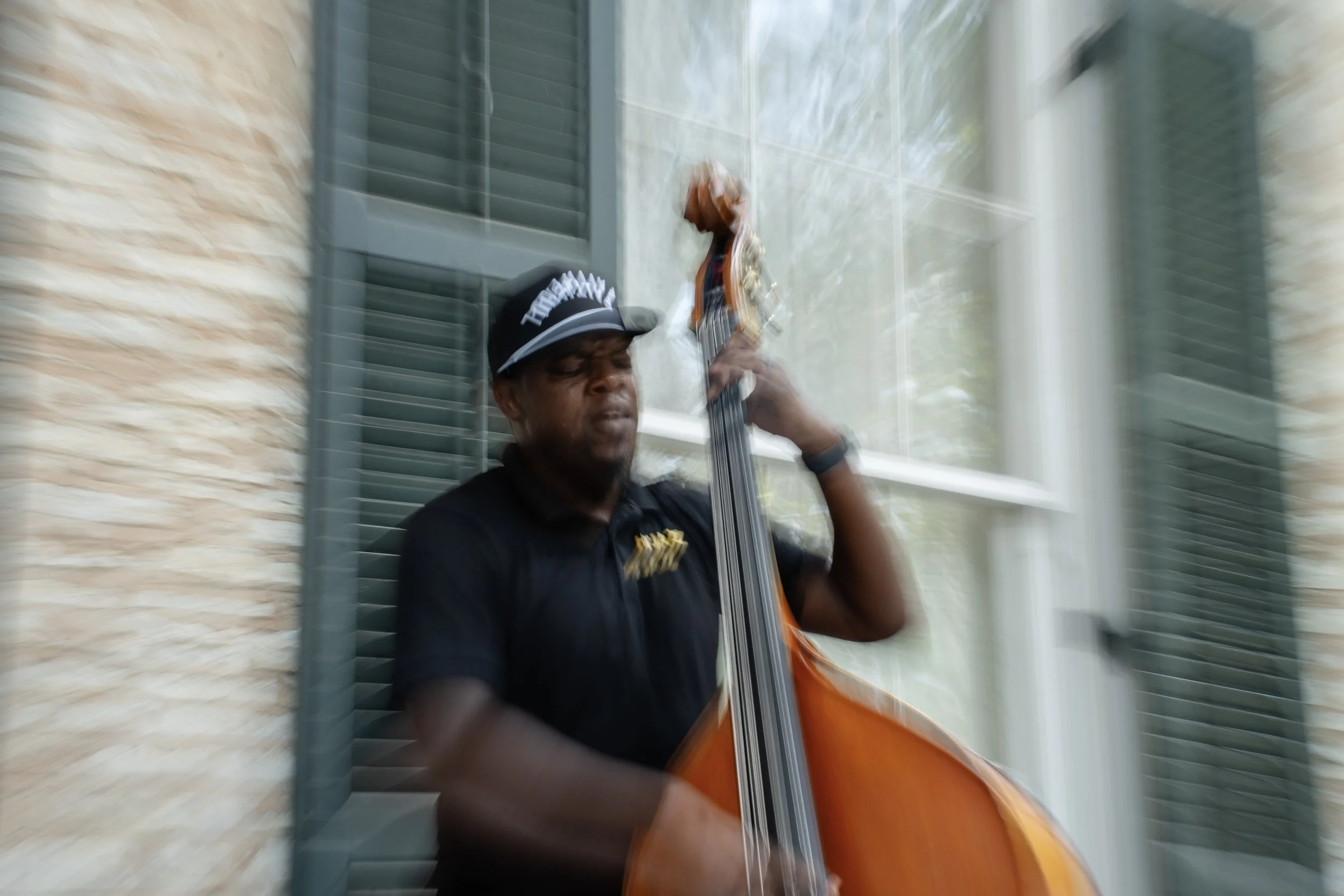
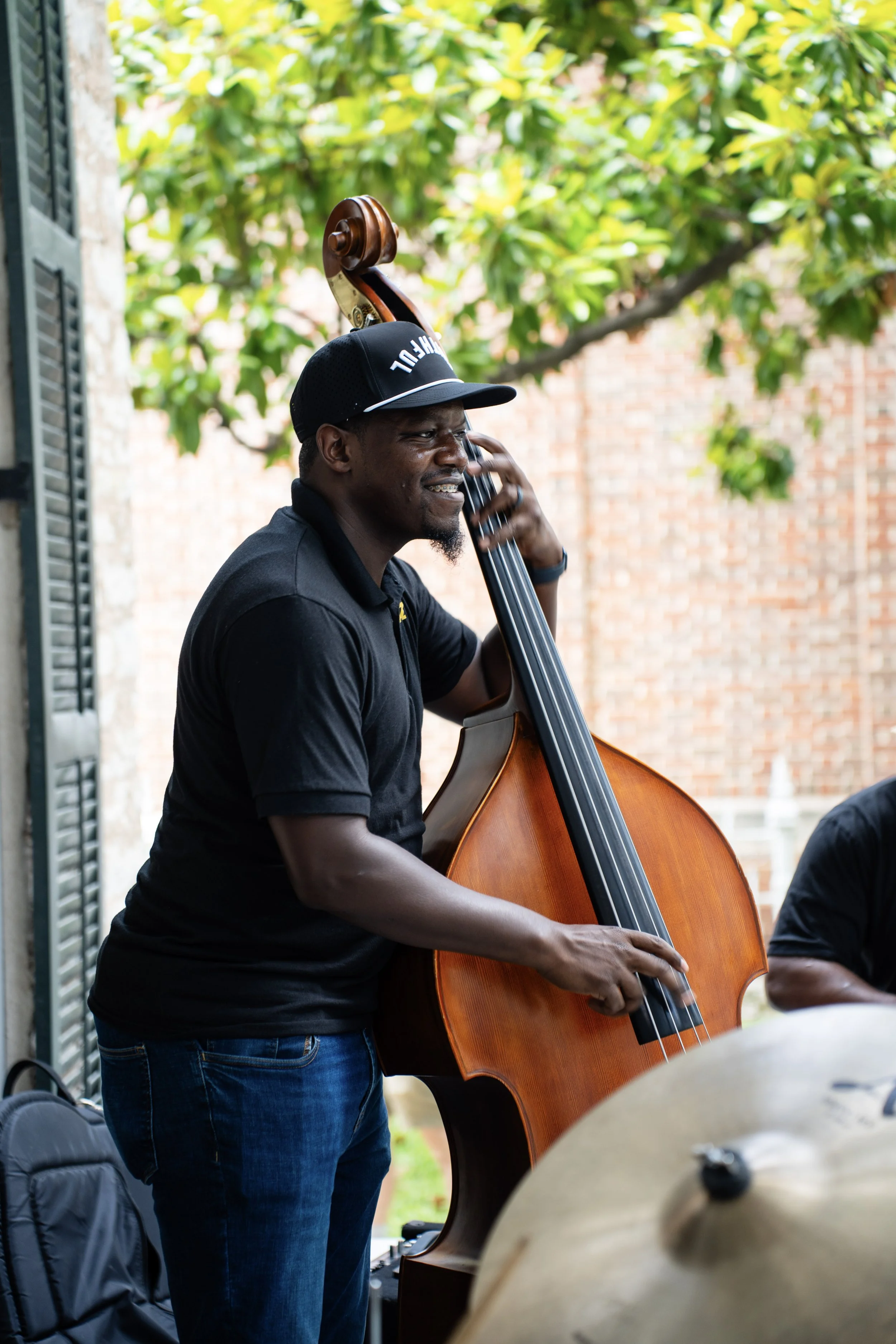
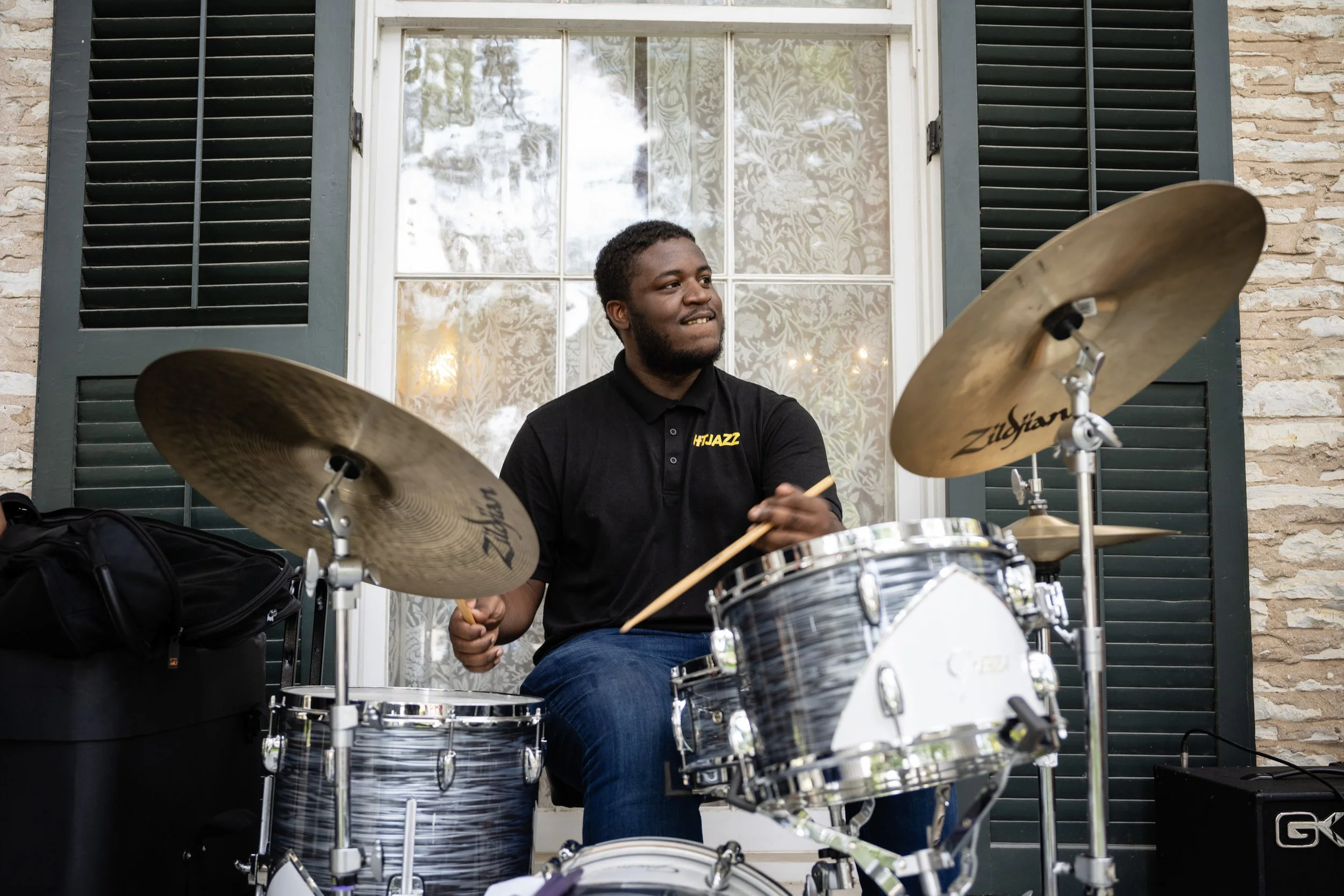
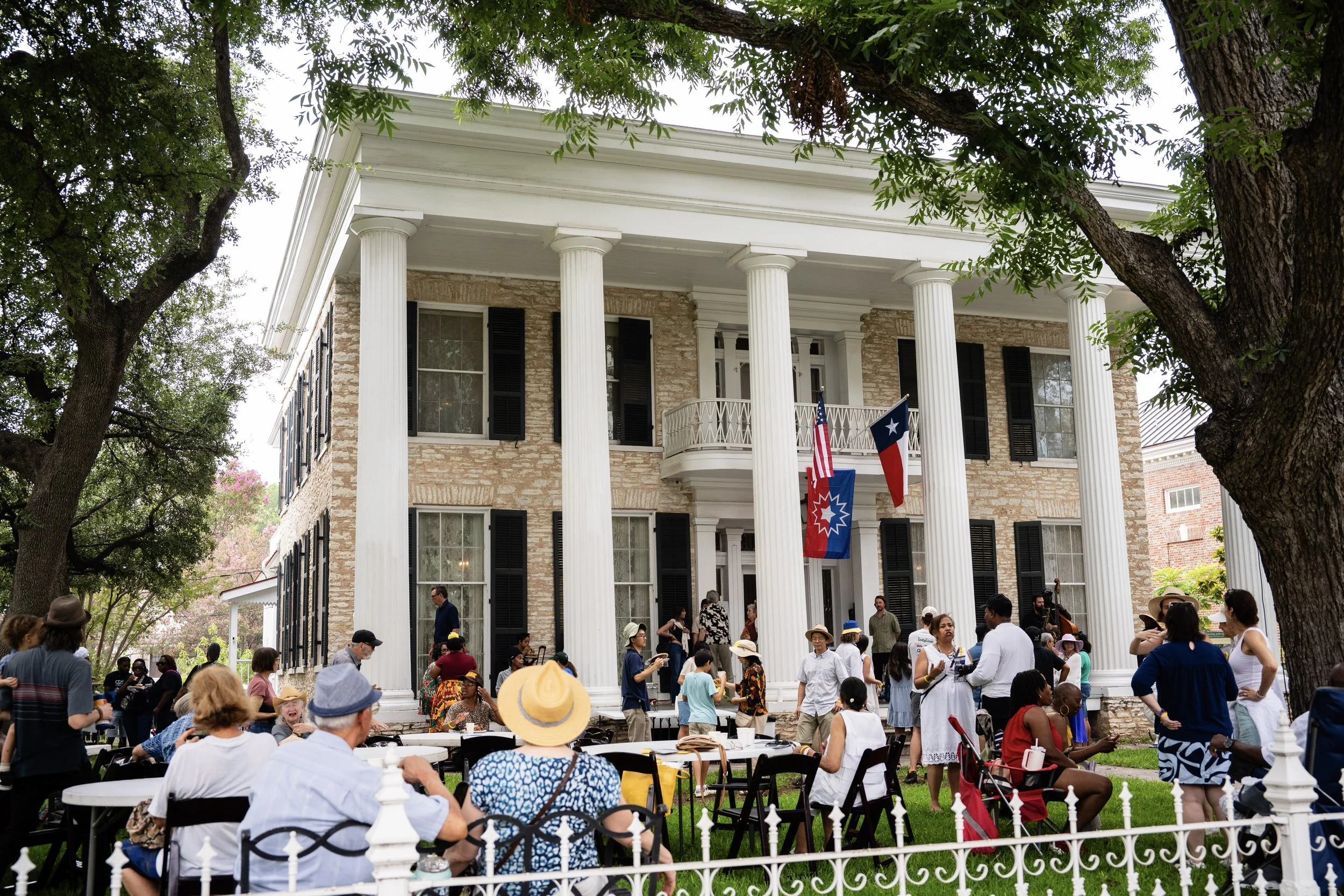
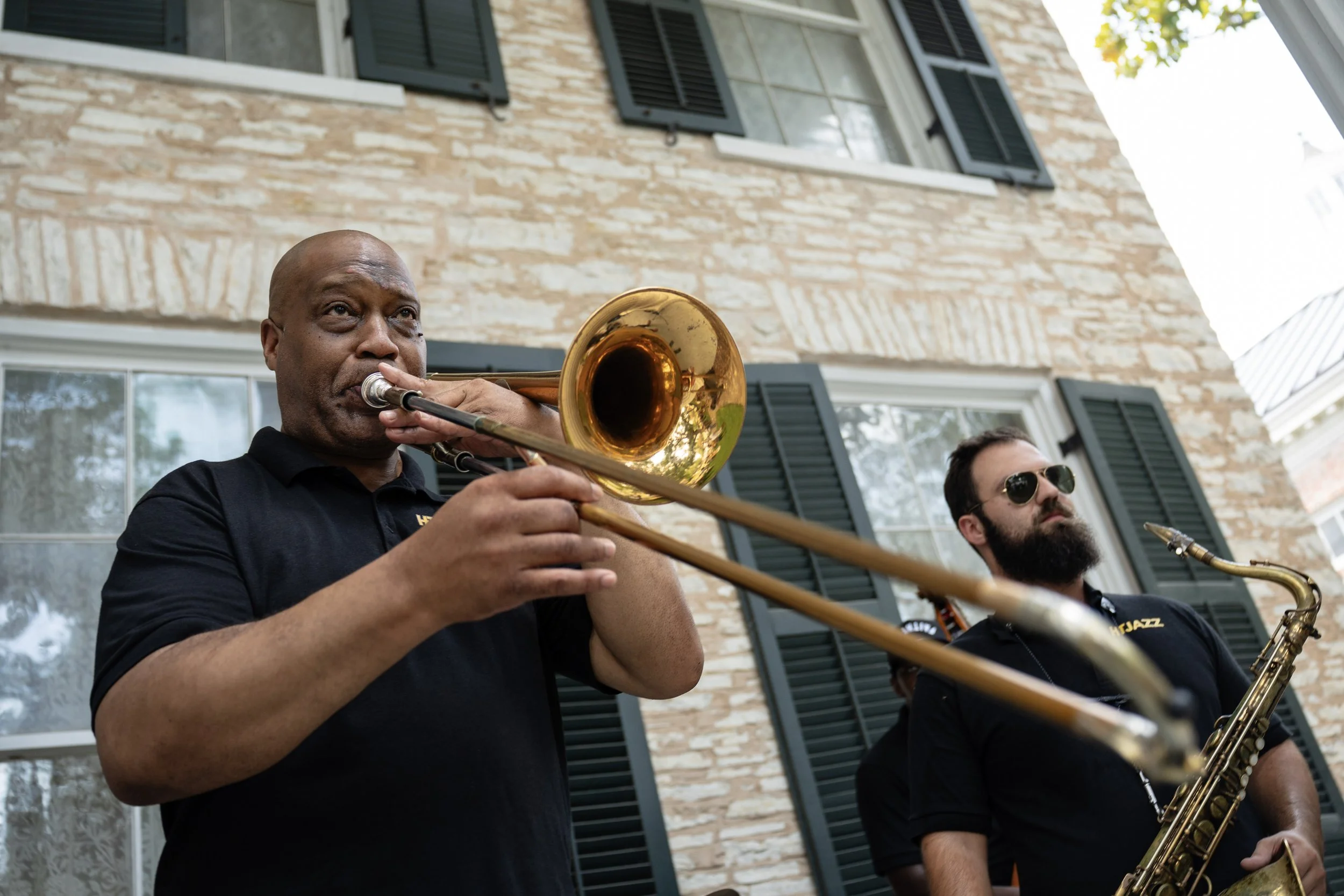
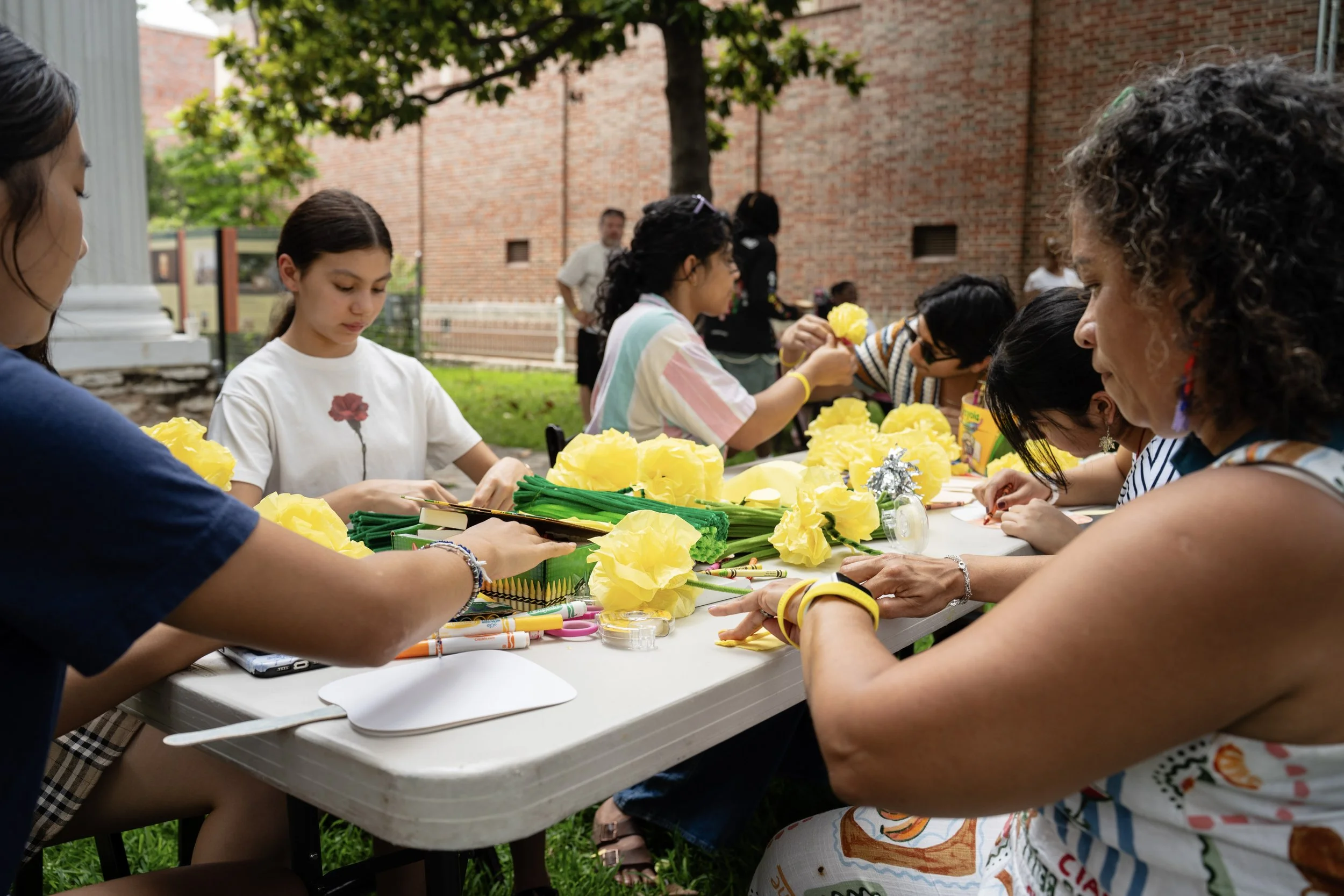
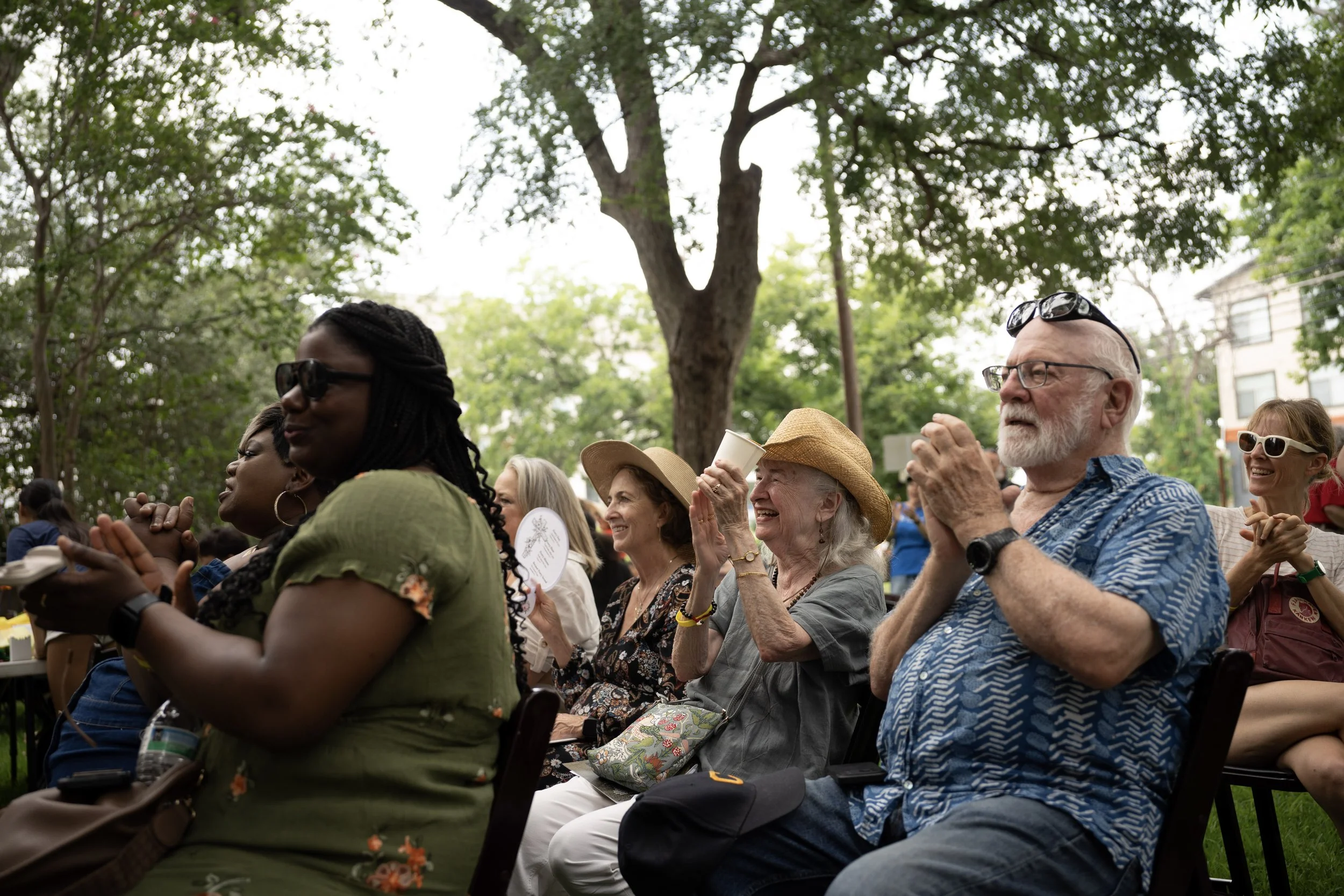
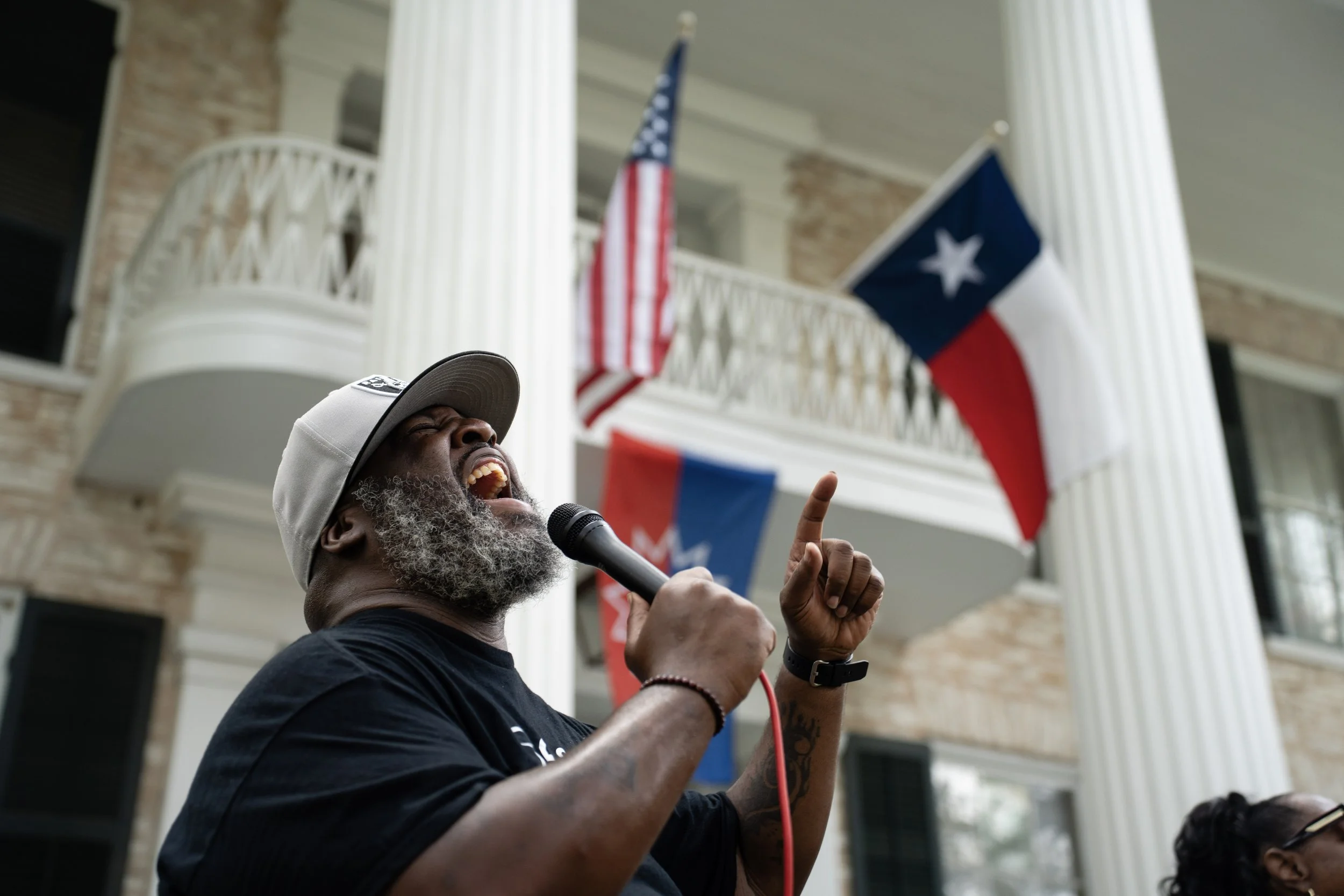
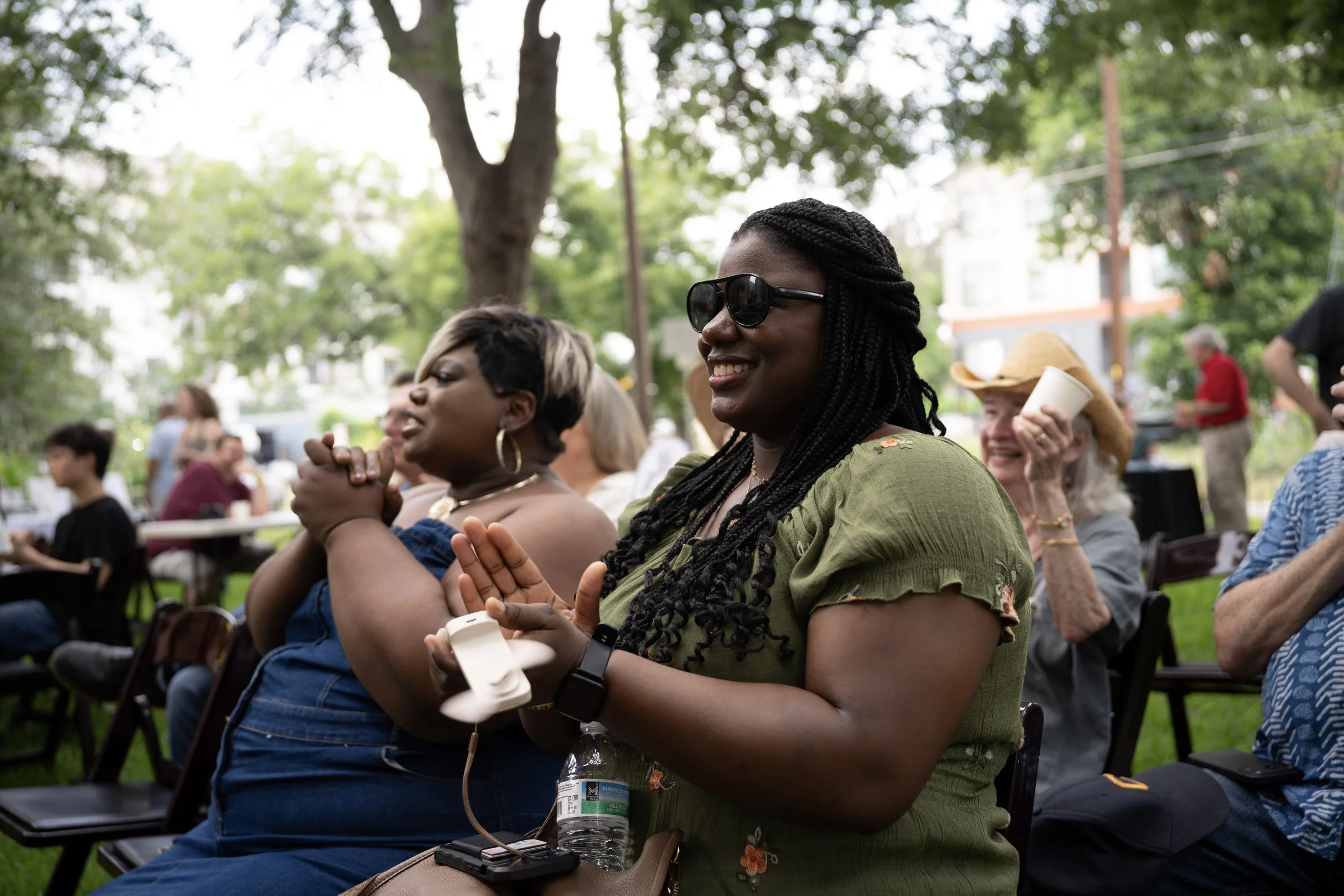
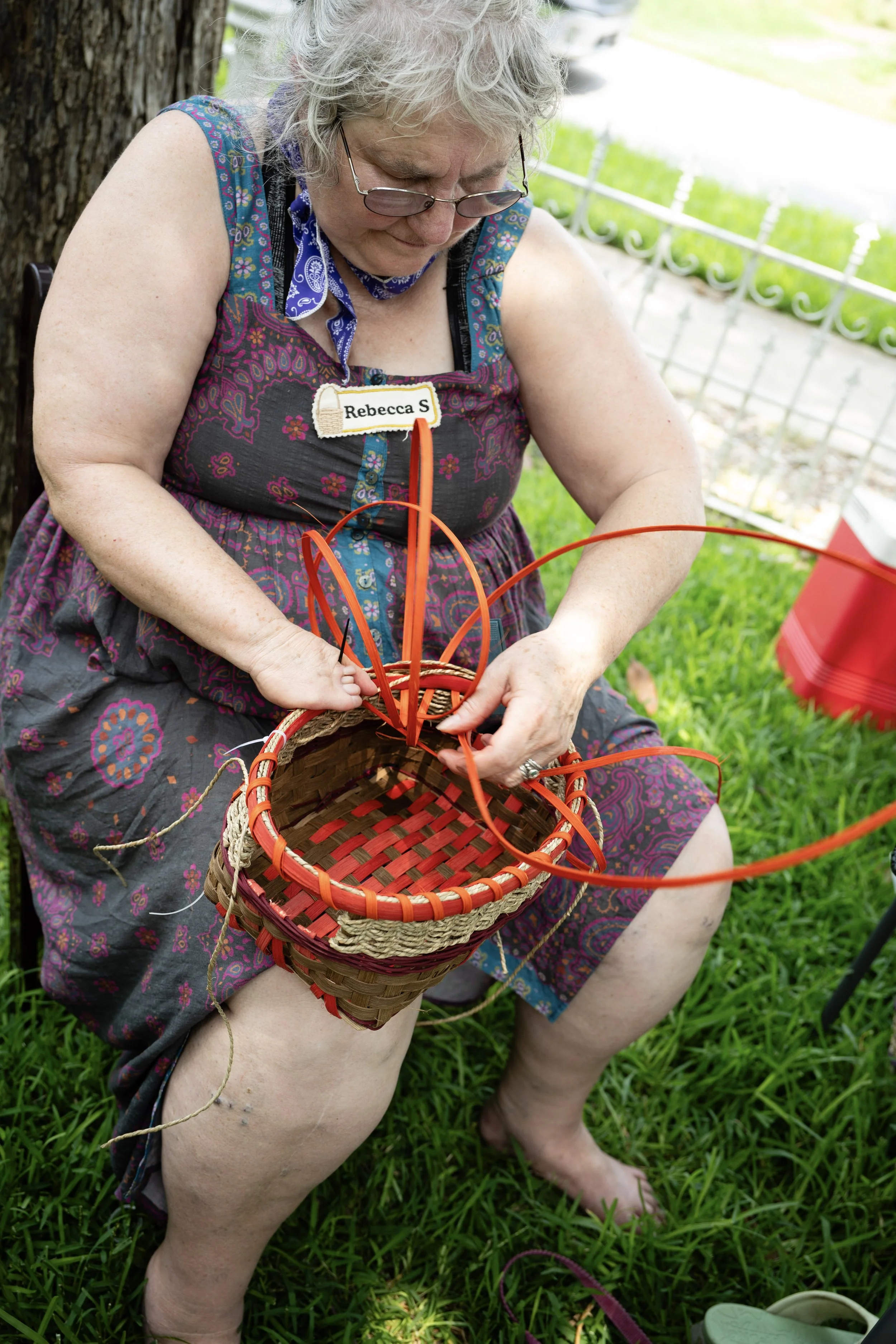
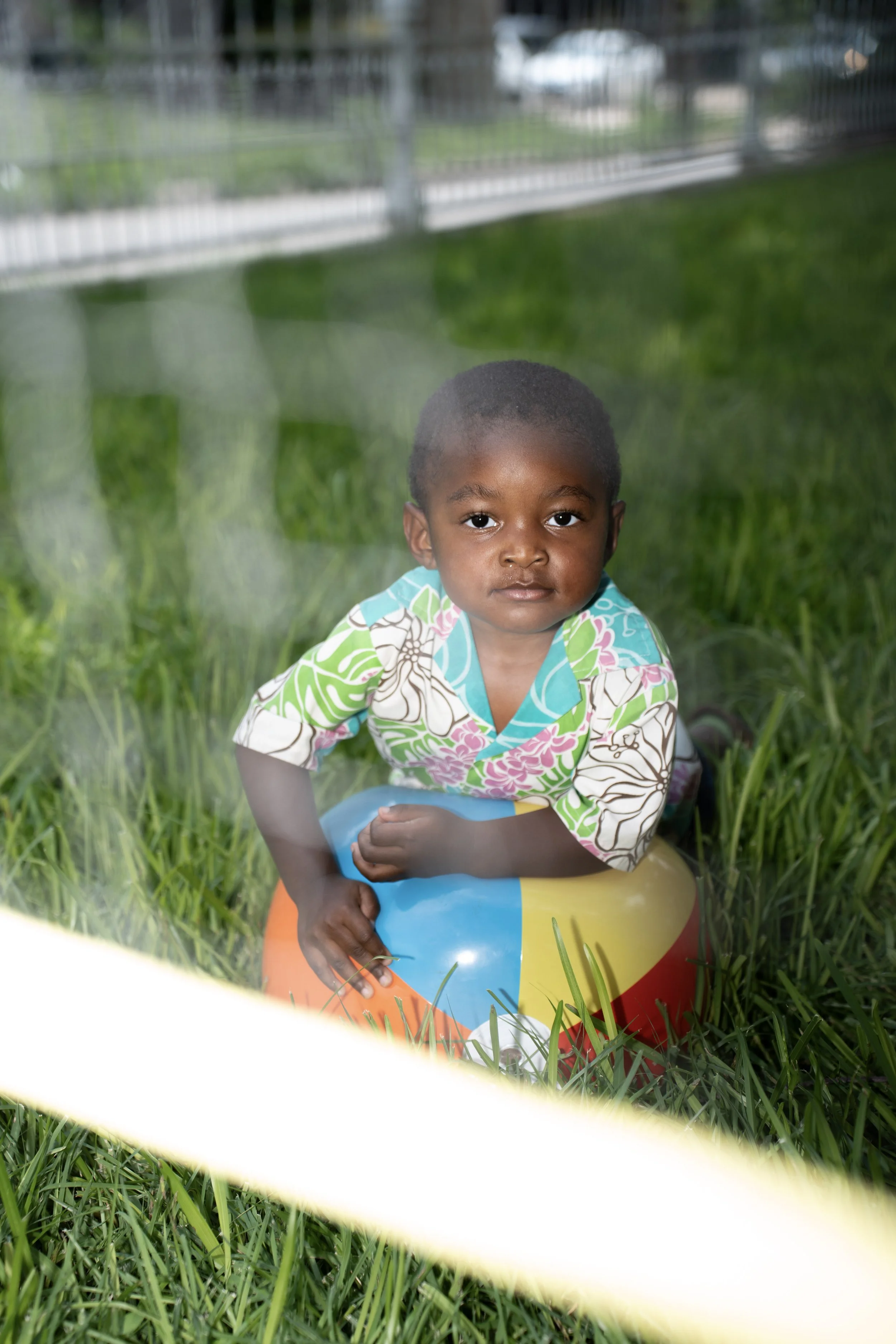
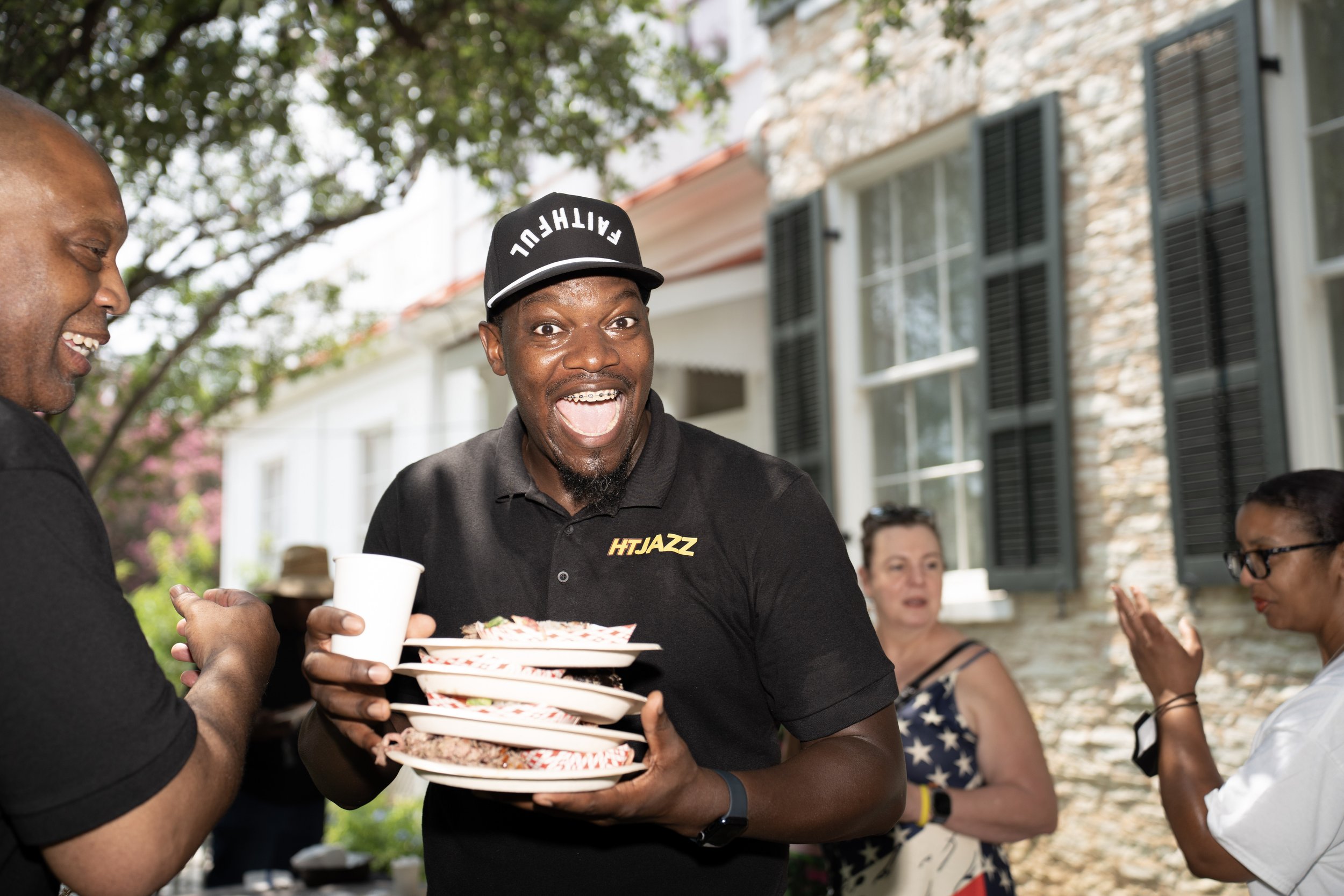
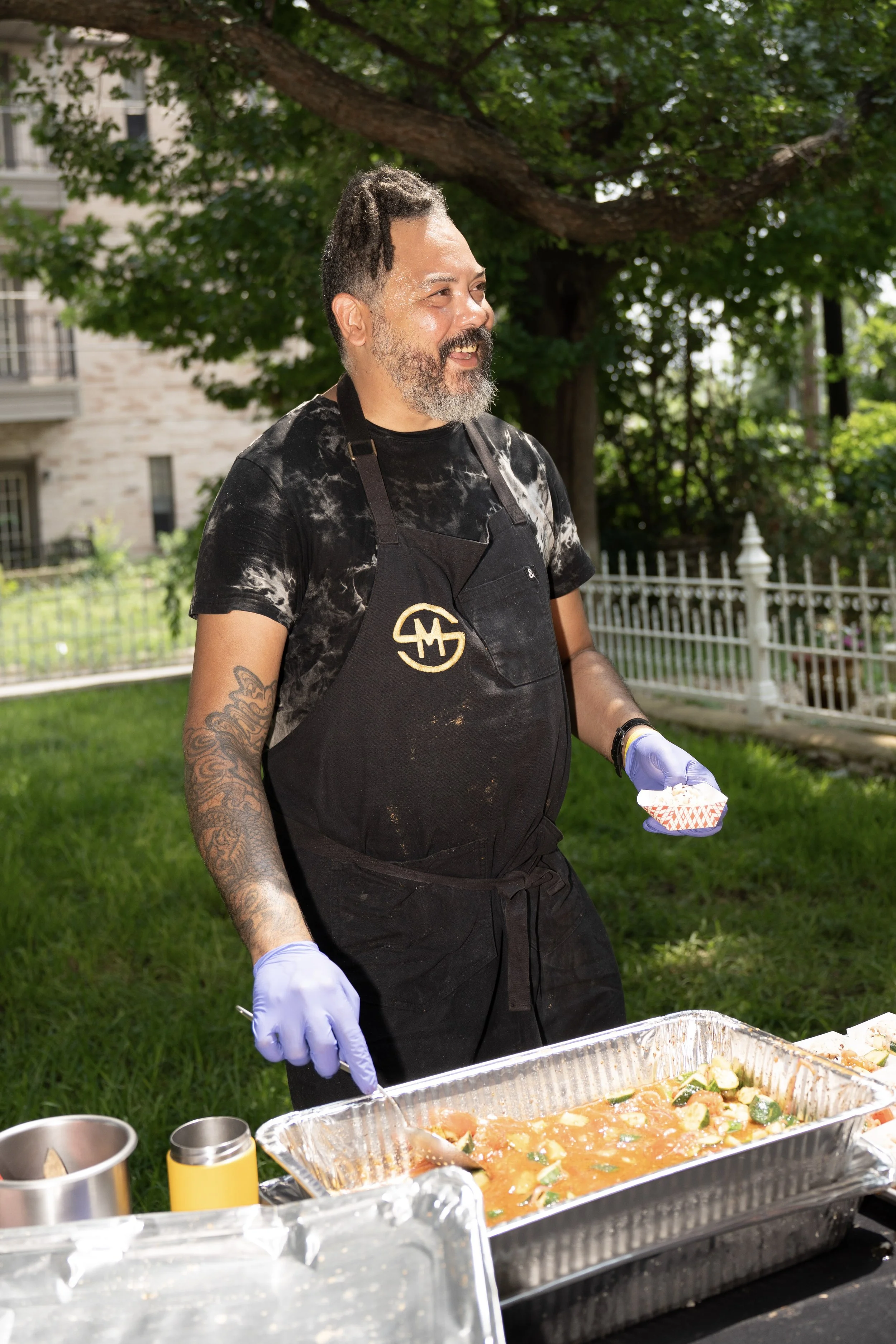
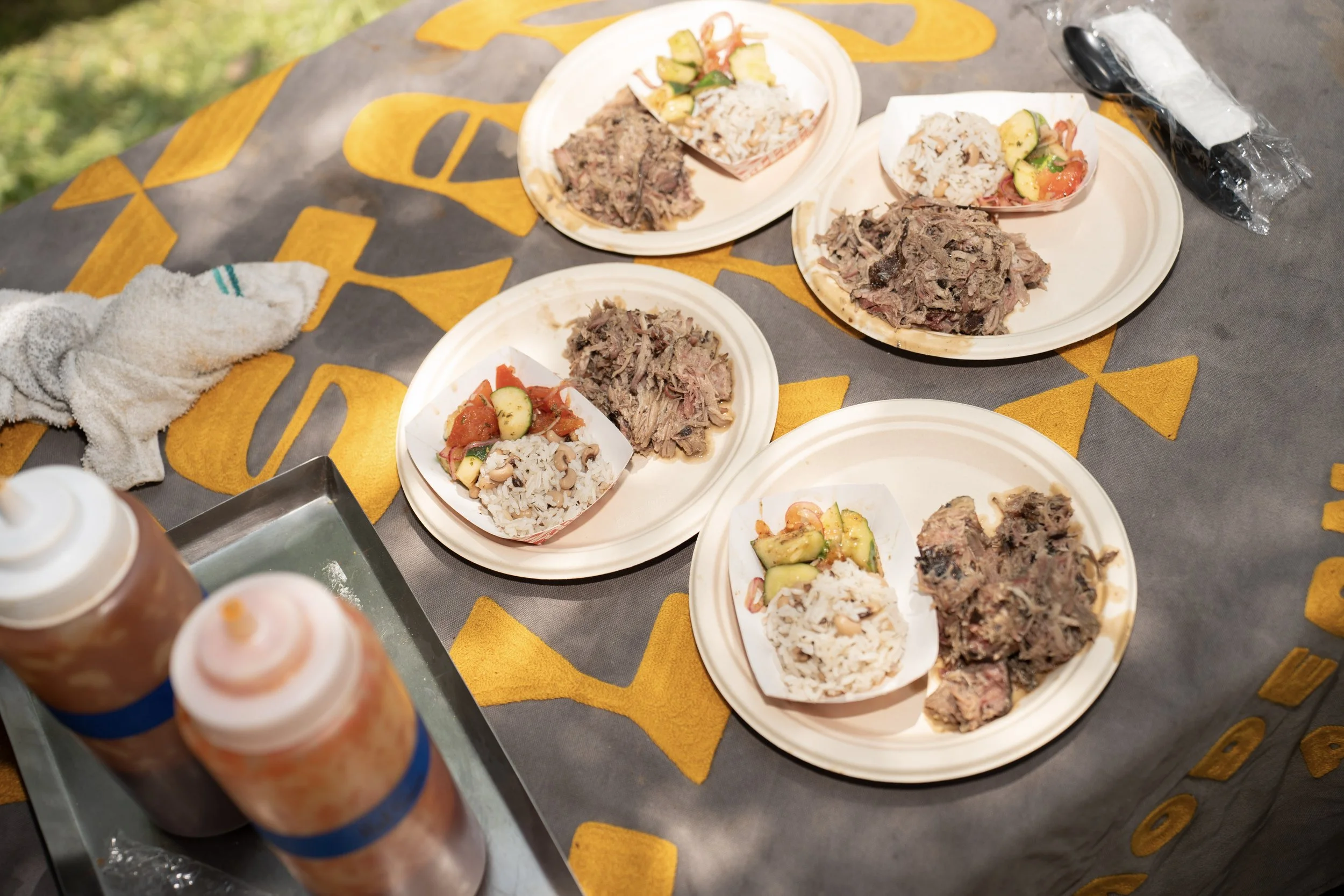
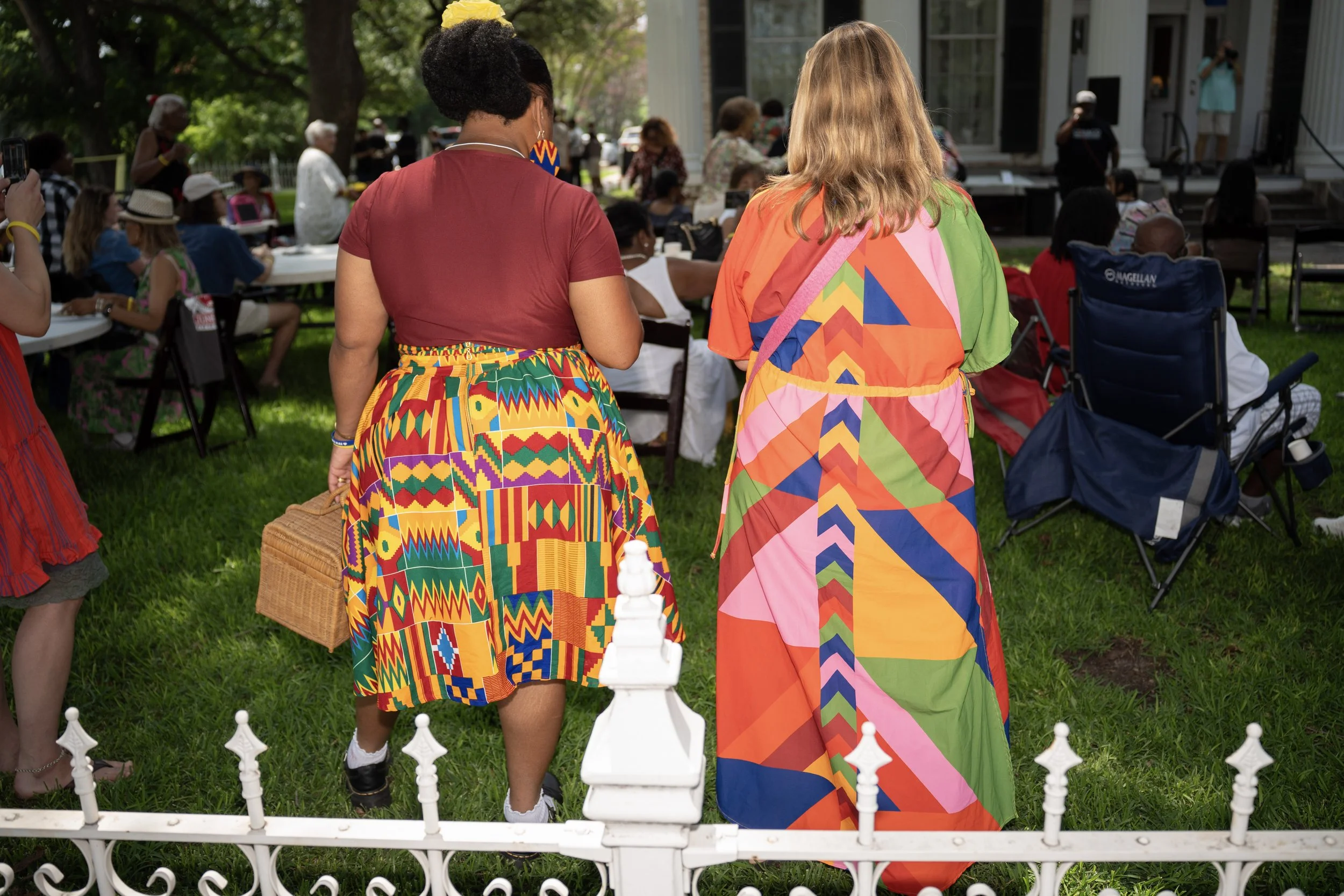
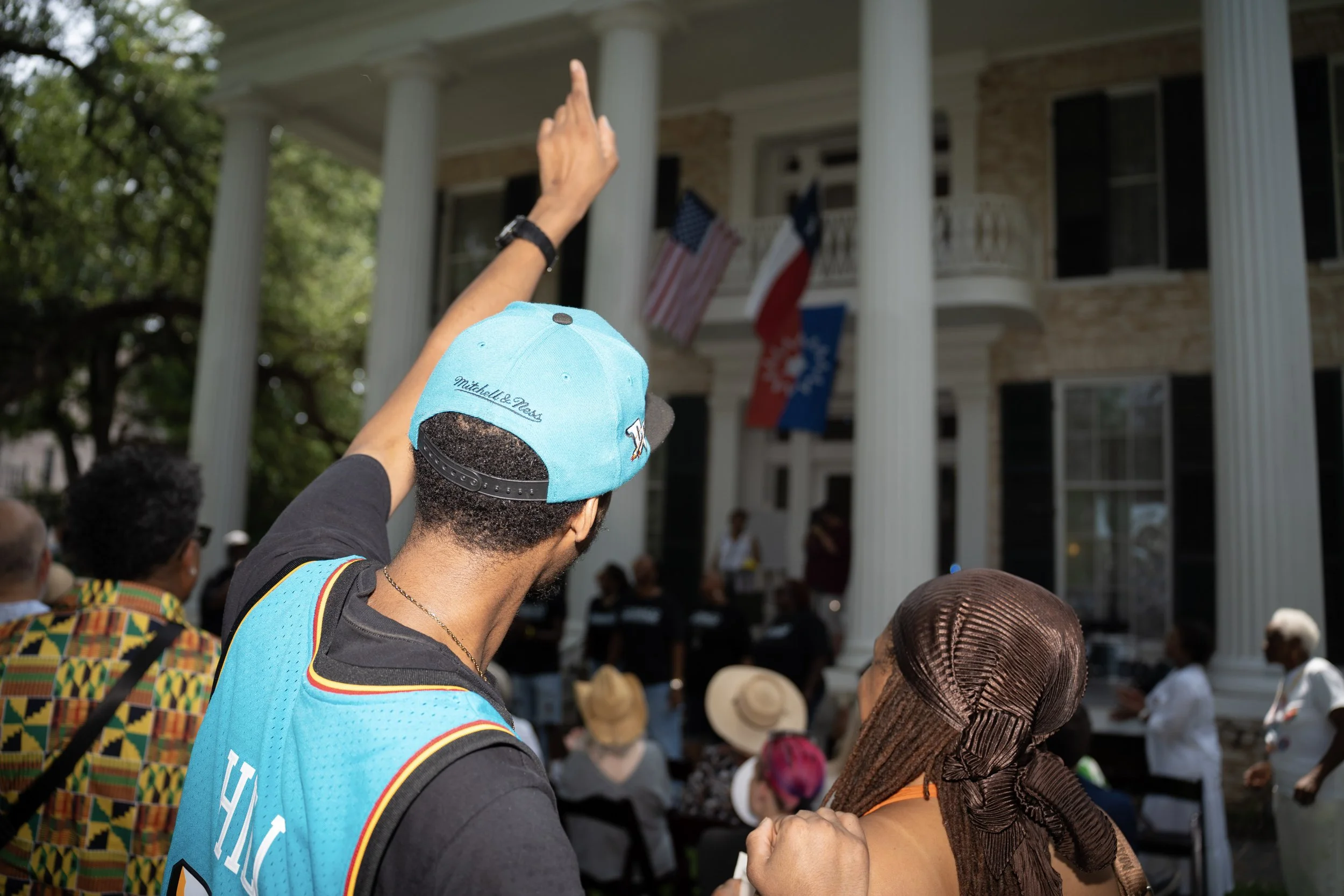
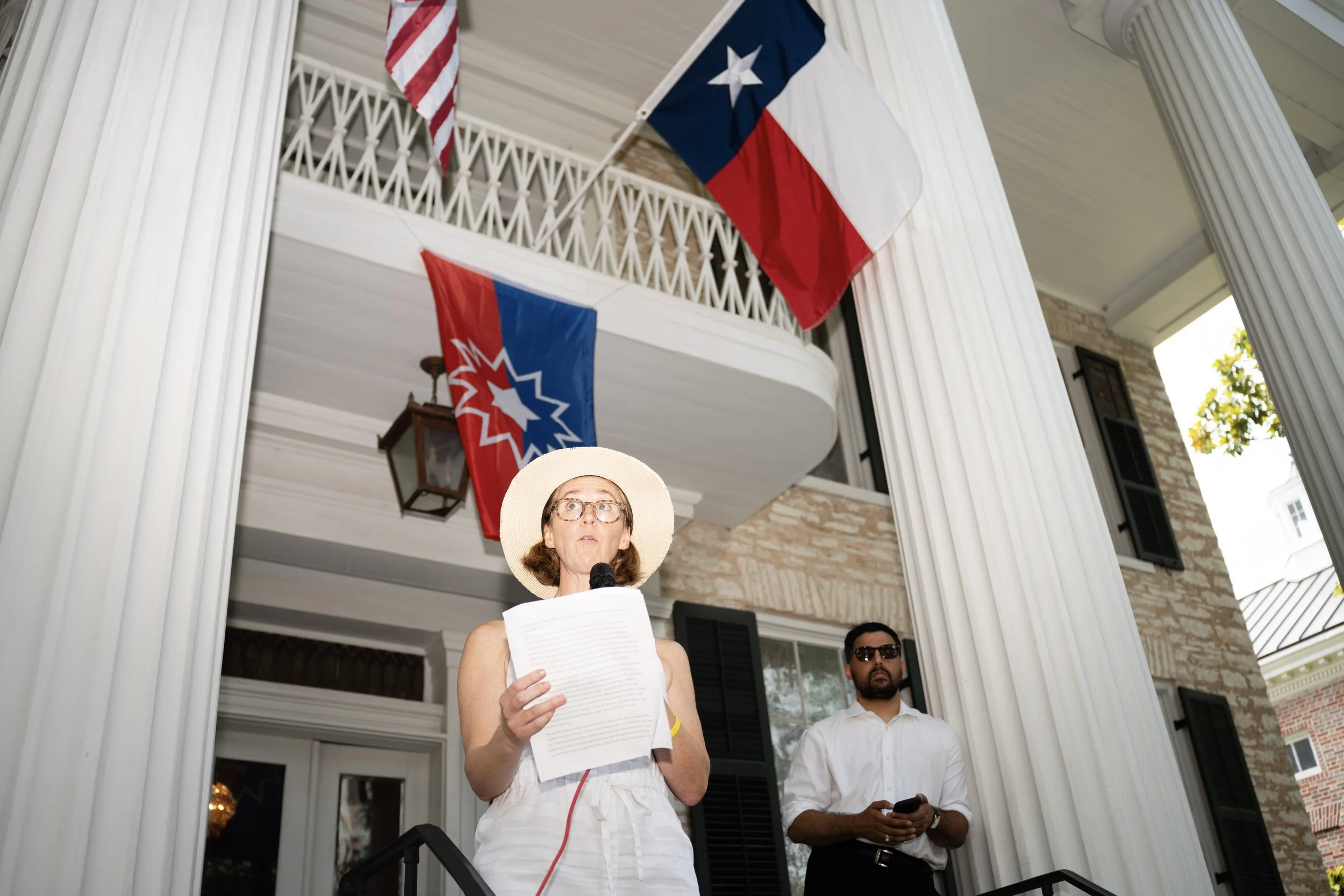
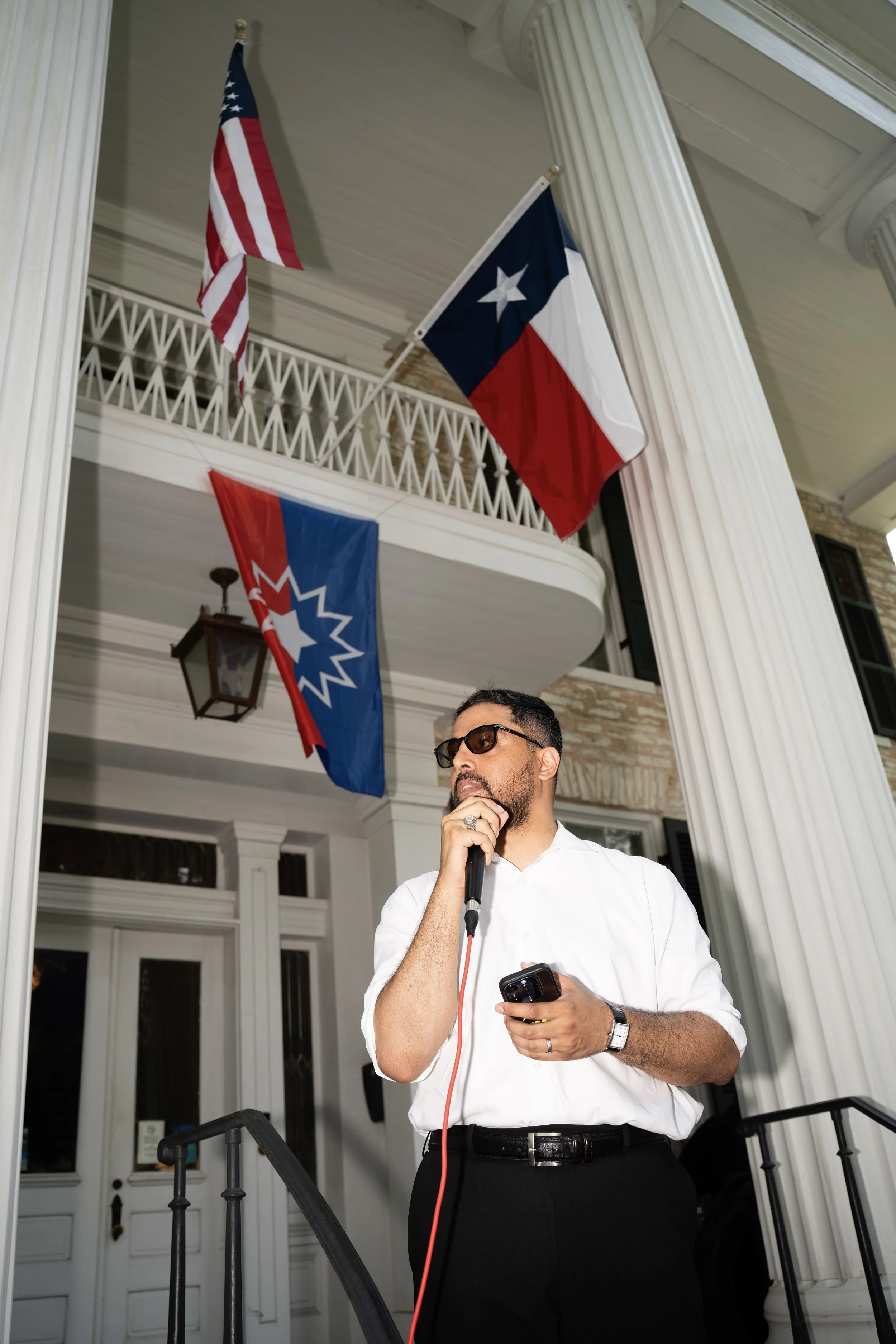
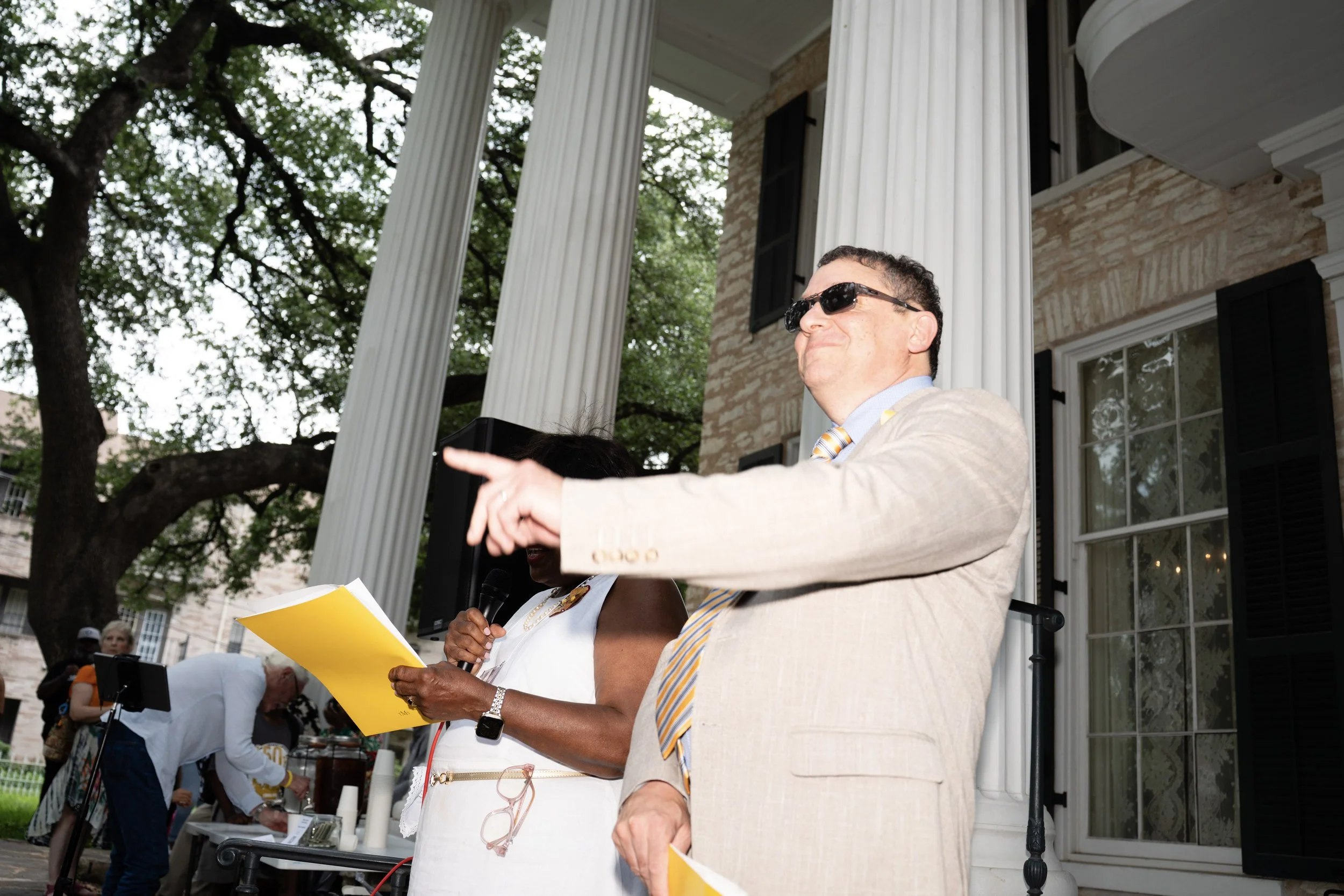
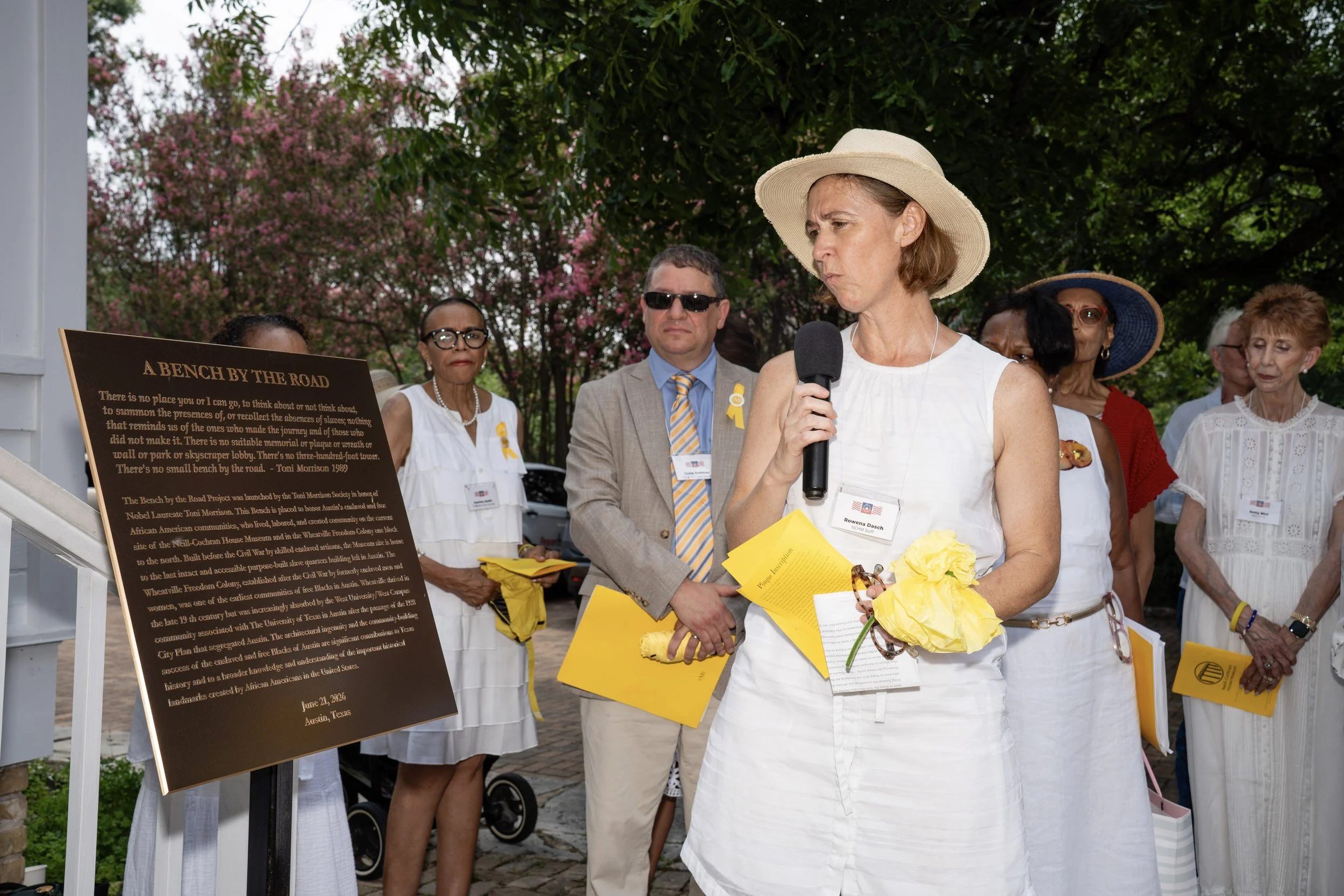
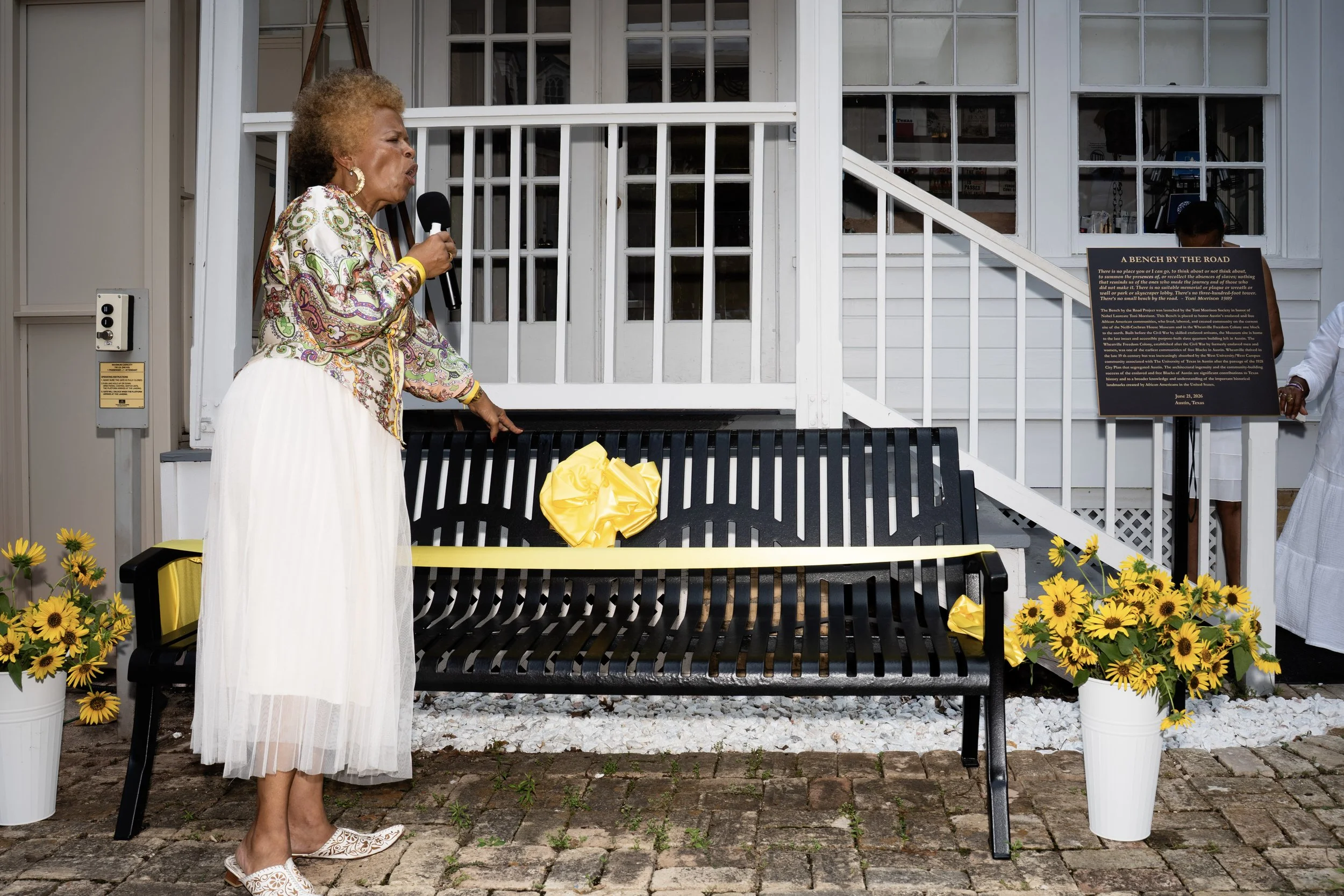
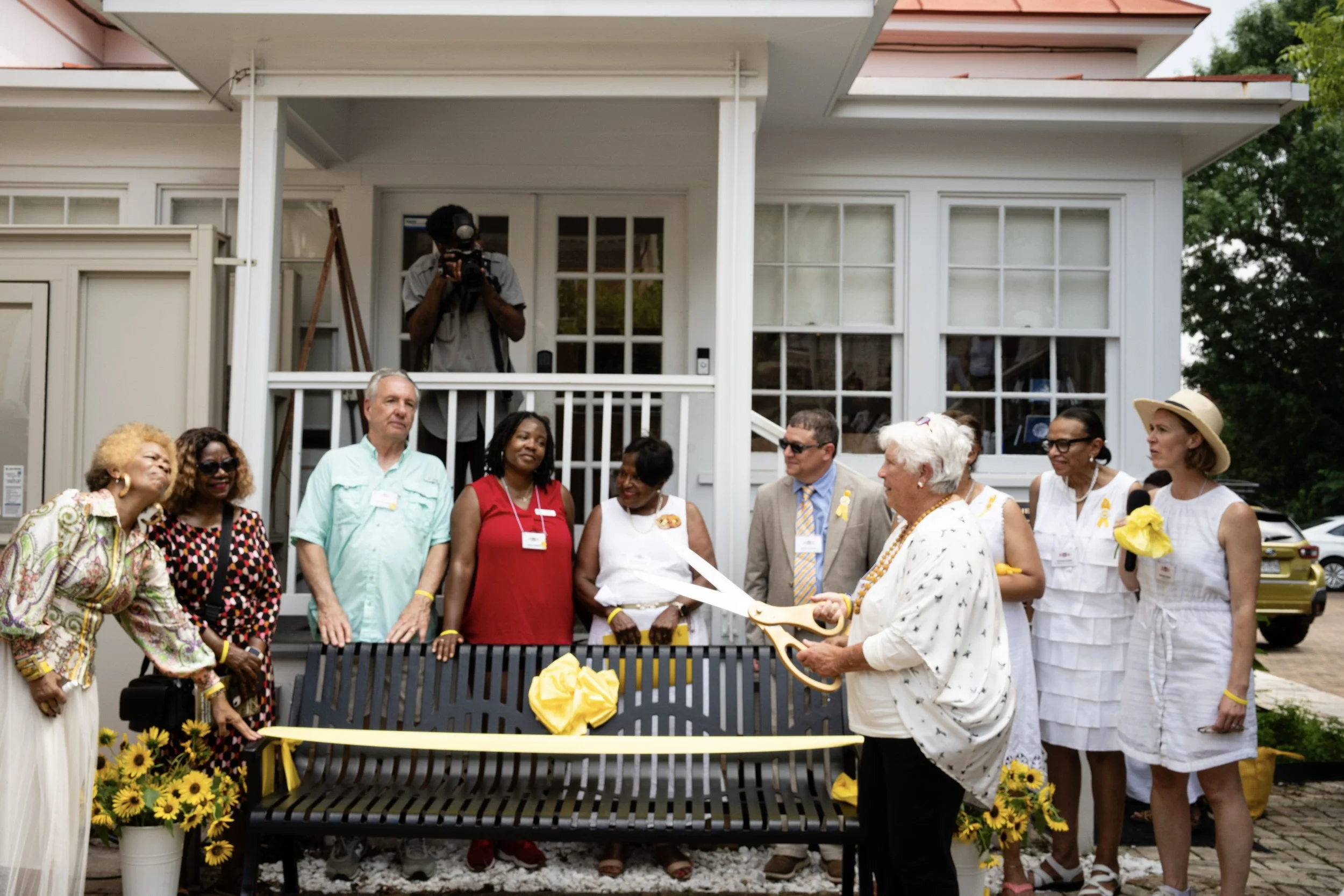
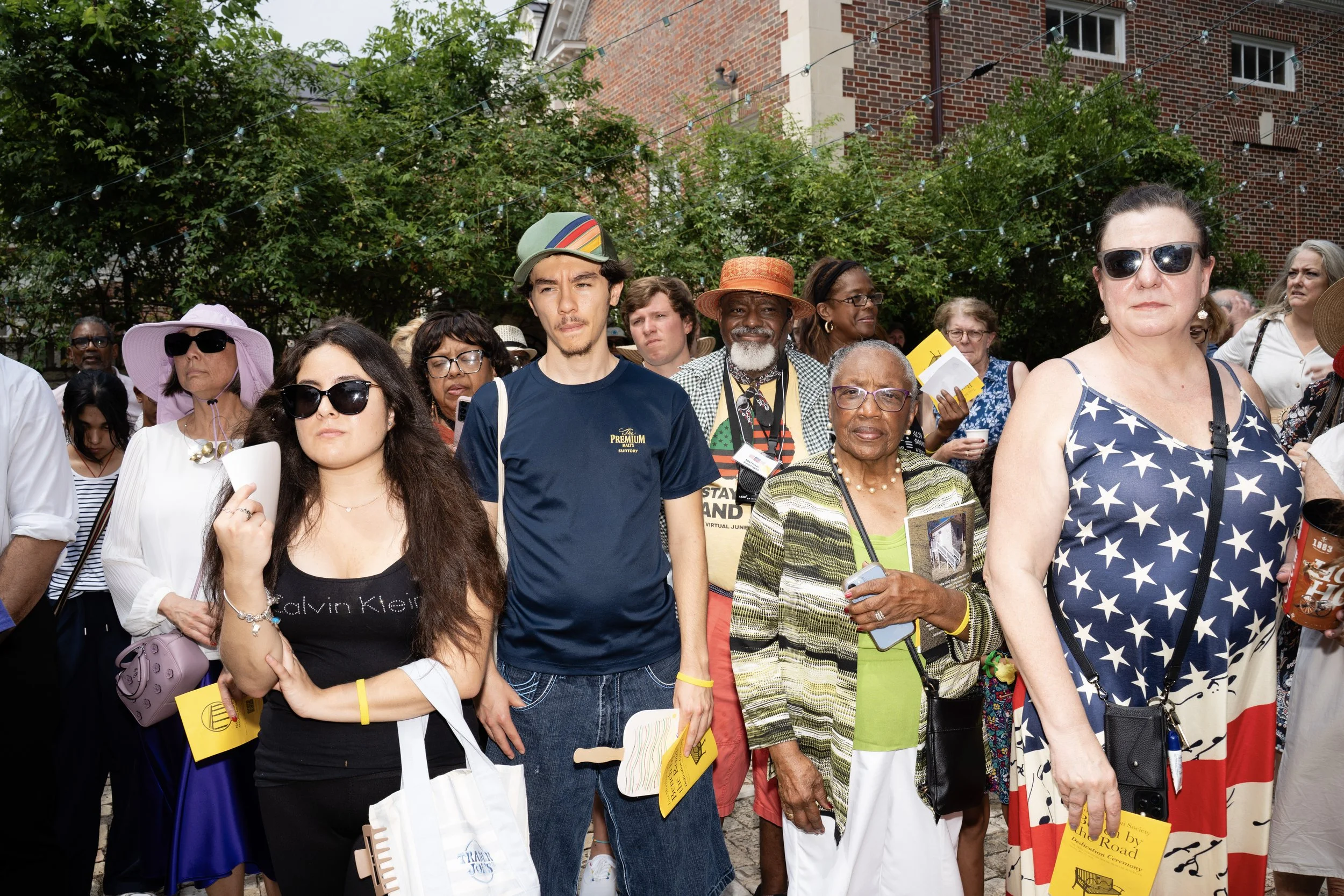
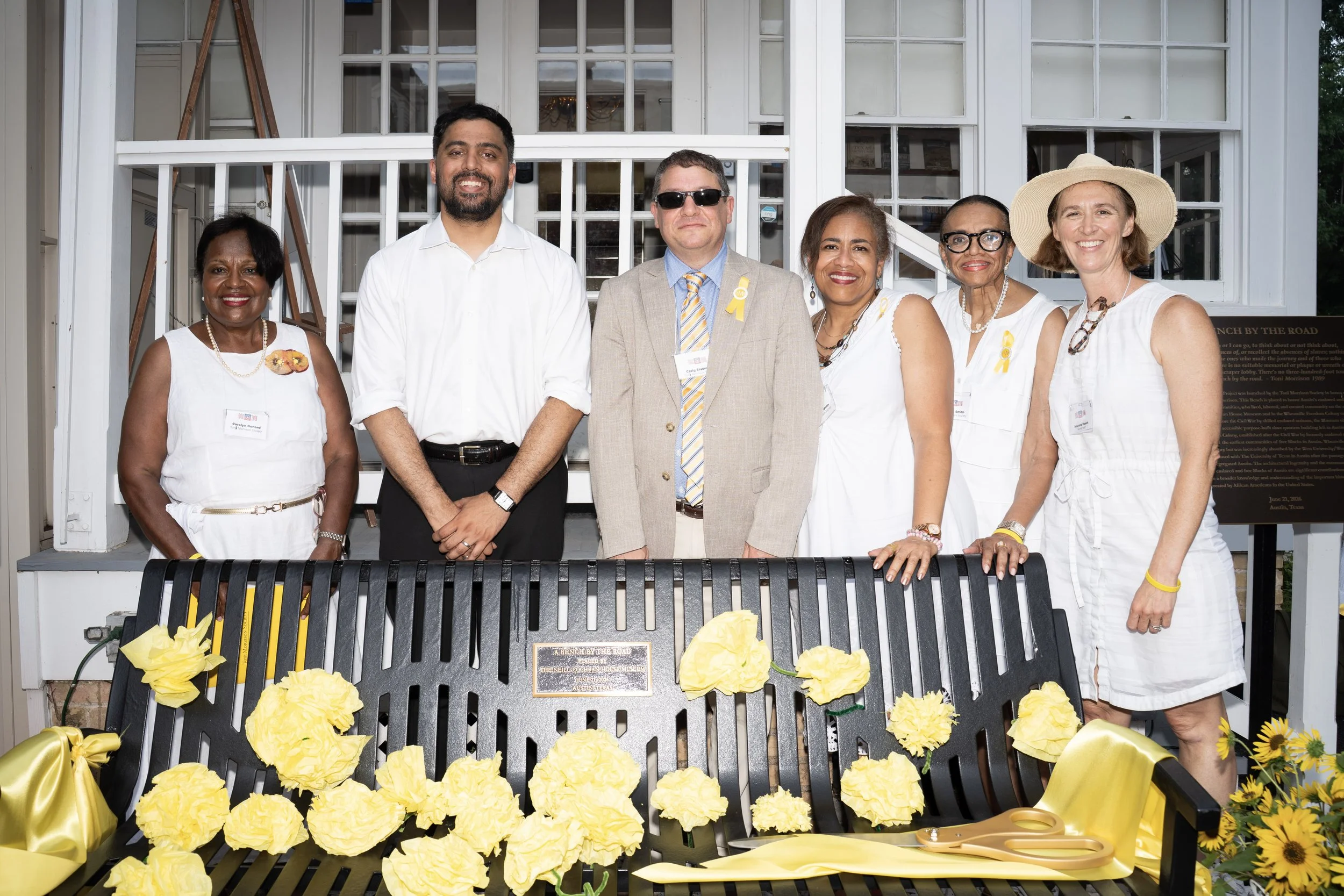
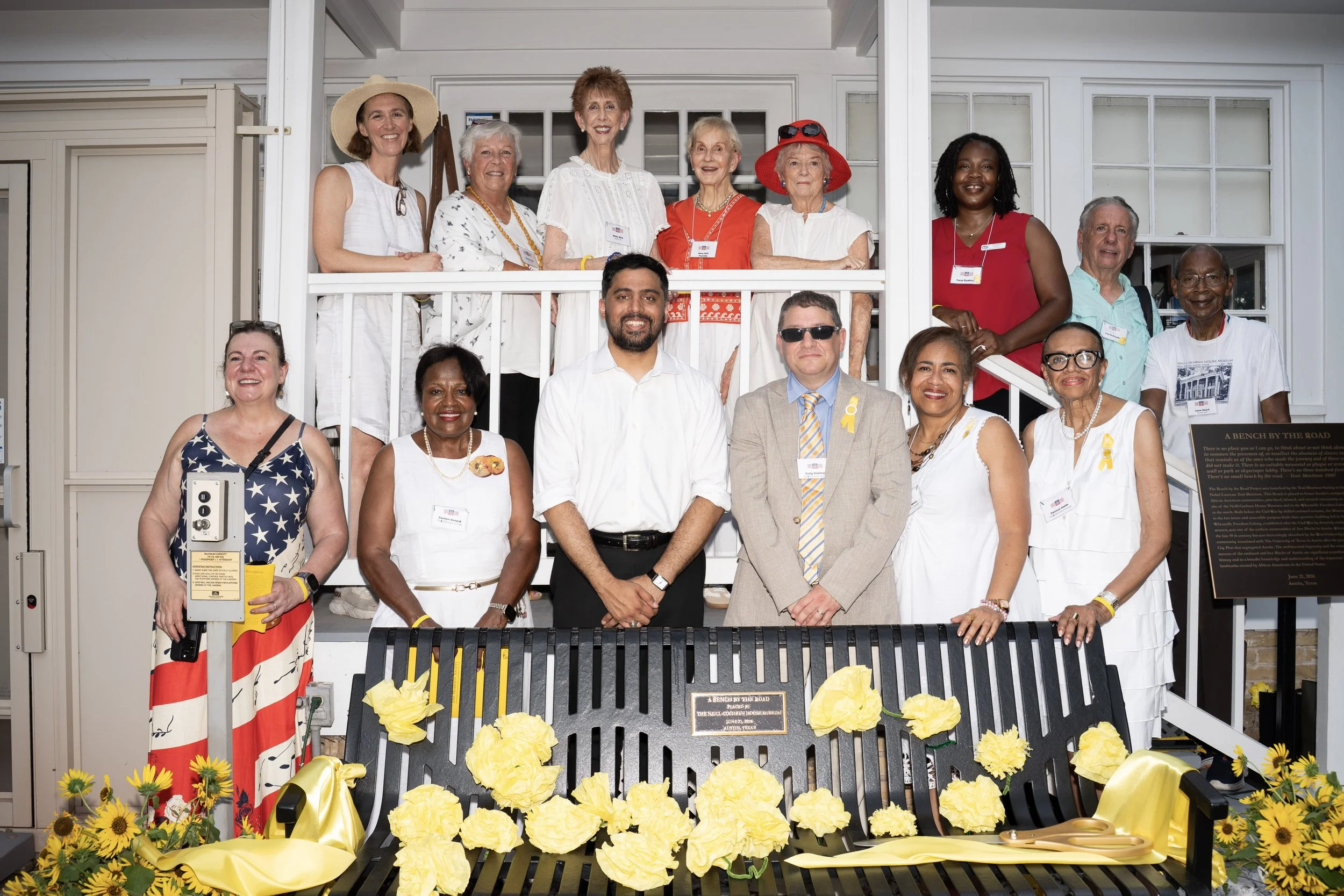
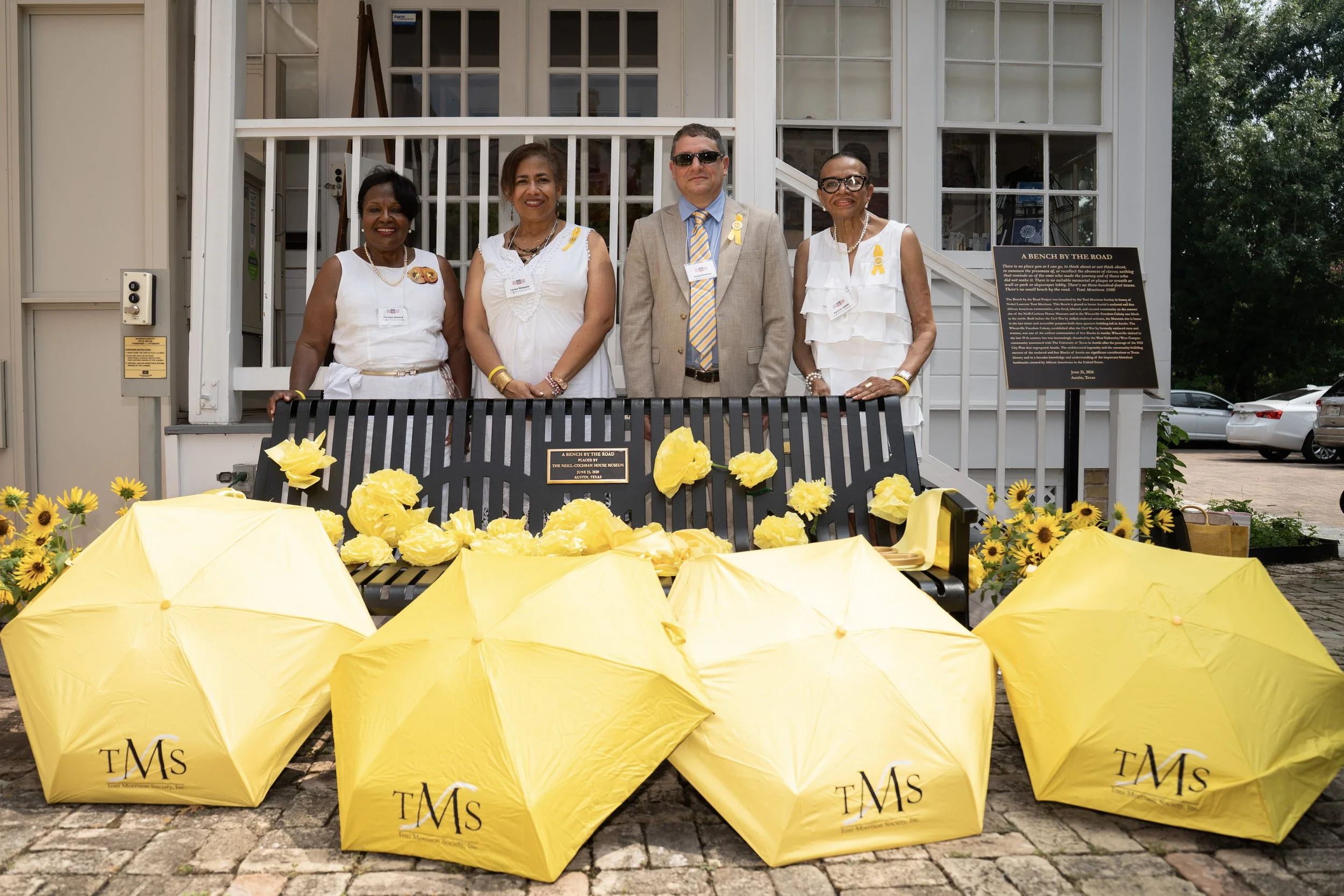
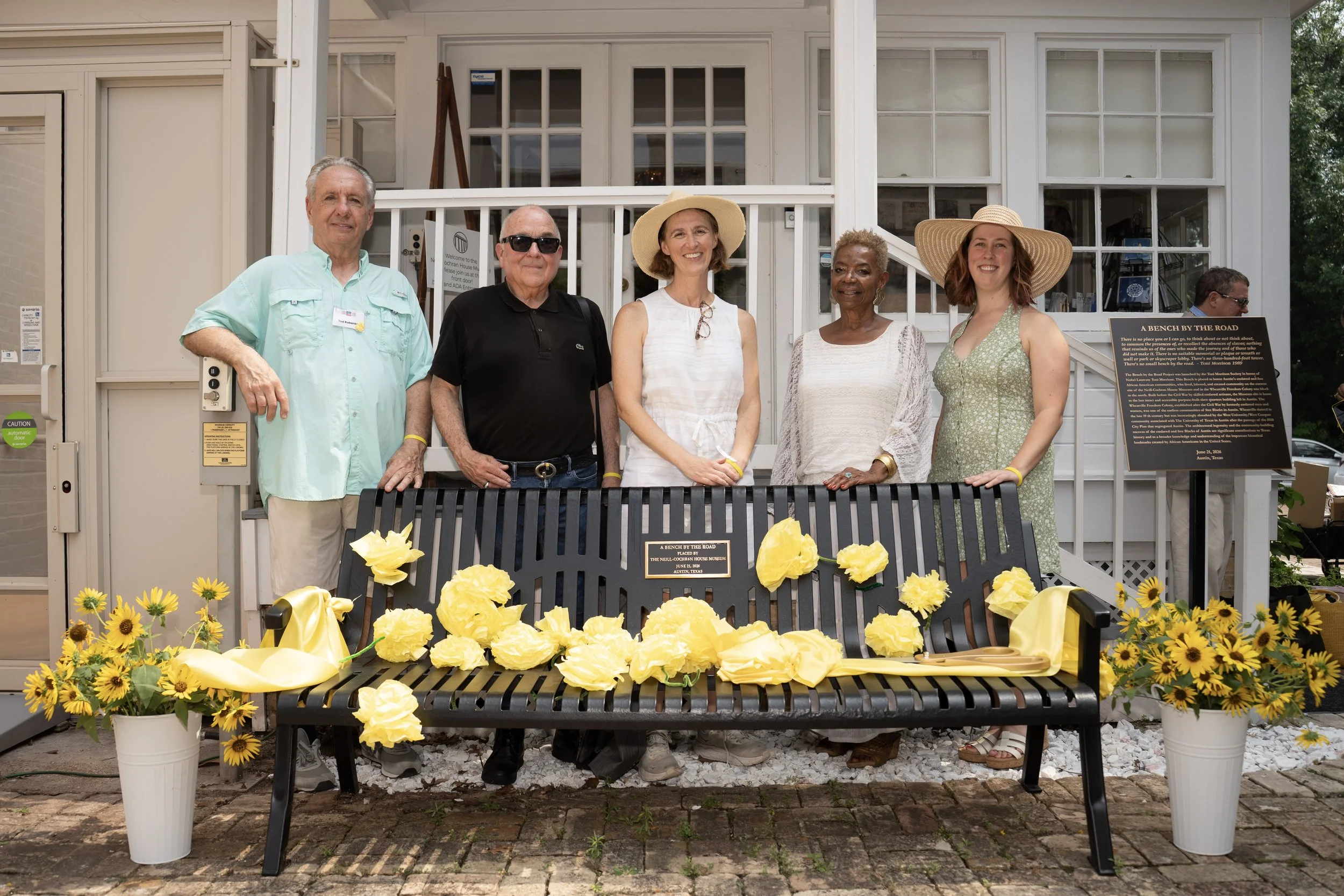
Photo credit for all gallery photographs: Niles Davis
*The first enslaved African to set foot in what is now the United States was a man named Mustafa Azemmouri, better known as Estevan or Estevánico, as he was called by Álvar Núñez Cabeza de Vaca. He arrived in Texas in 1528.